
Analysis of plant remains found in the grave of the famous “Doncella of Llullaillaco” has made it possible to determine more precisely when the Inca capacocha ceremony took place. Researchers from the UW have established that the ritual may have been linked not only to religious practices, but also to the consolidation of Inca power in the empire’s newly conquered territories. The findings have been published in the journal “Archaeometry”.
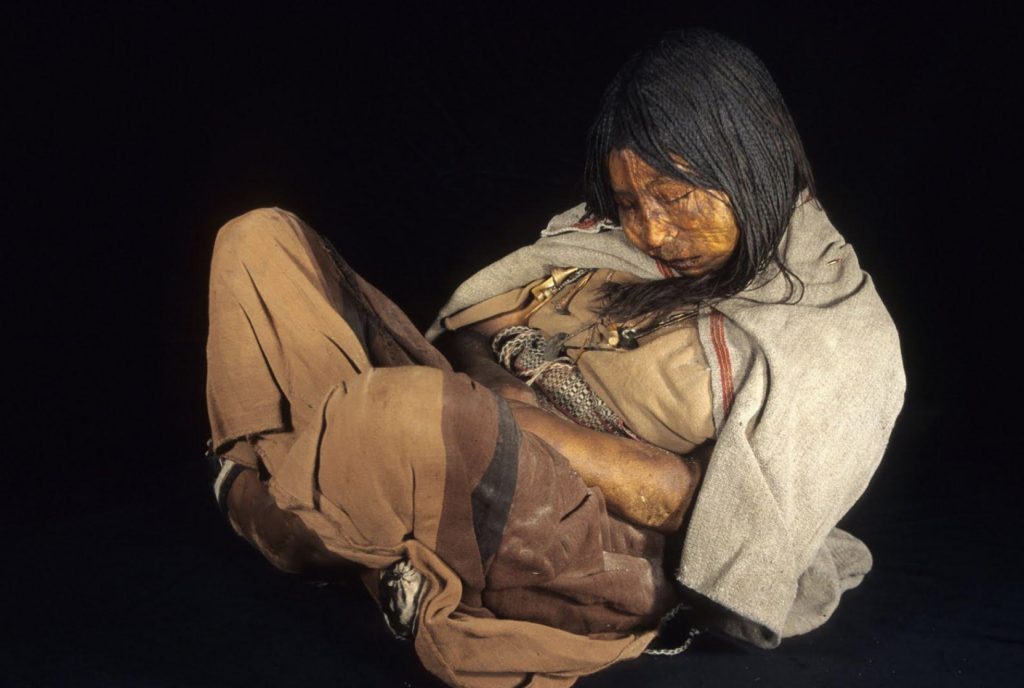
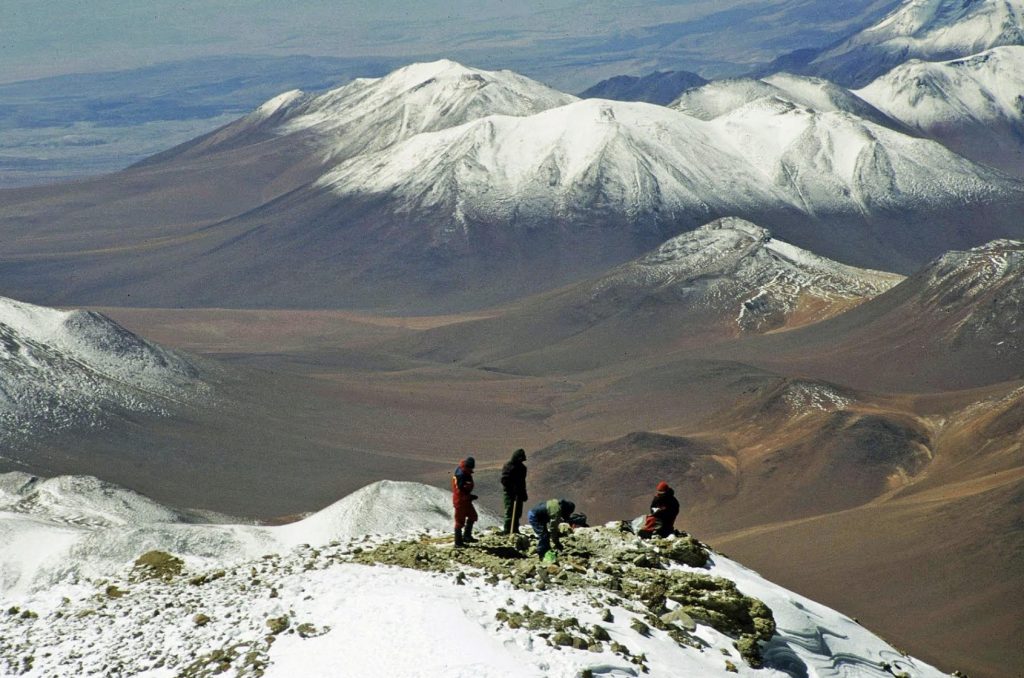
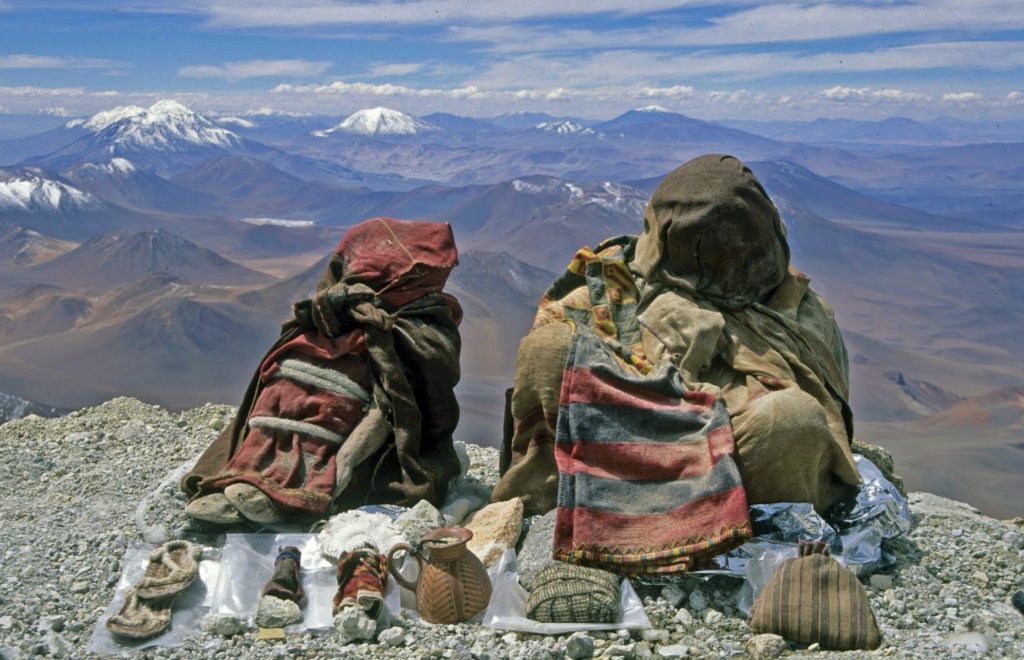
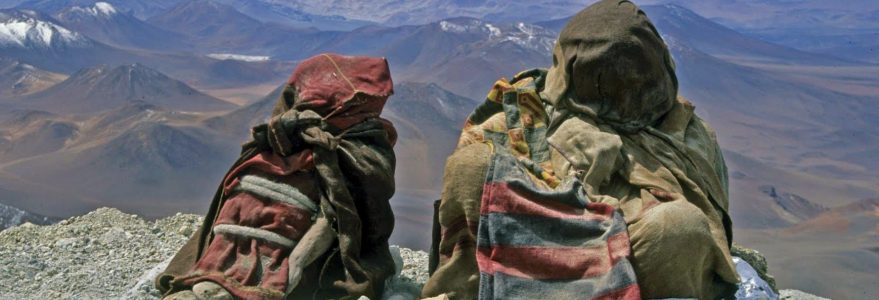
The journal “Archaeometry” has published the results of new research into one of the most famous sacrificial ceremonies of the Inca Empire – the capacocha ritual performed on the Llullaillaco volcano. During the ritual, three children were sacrificed; their remains were discovered in 1999. These are the best-preserved mummies in the world, discovered at the highest archaeological site on the planet (6,739 metres above sea level).
The Llullaillaco Sacrifice
New research into the famous “Girl of Llullaillaco” suggests that the Inca capacocha ceremony may have served not only religious purposes but also to consolidate Inca authority over newly conquered territories. Analysis of plant remains found in the grave has made it possible to determine the date of the ritual more precisely and to link it to the period of the empire’s expansion.
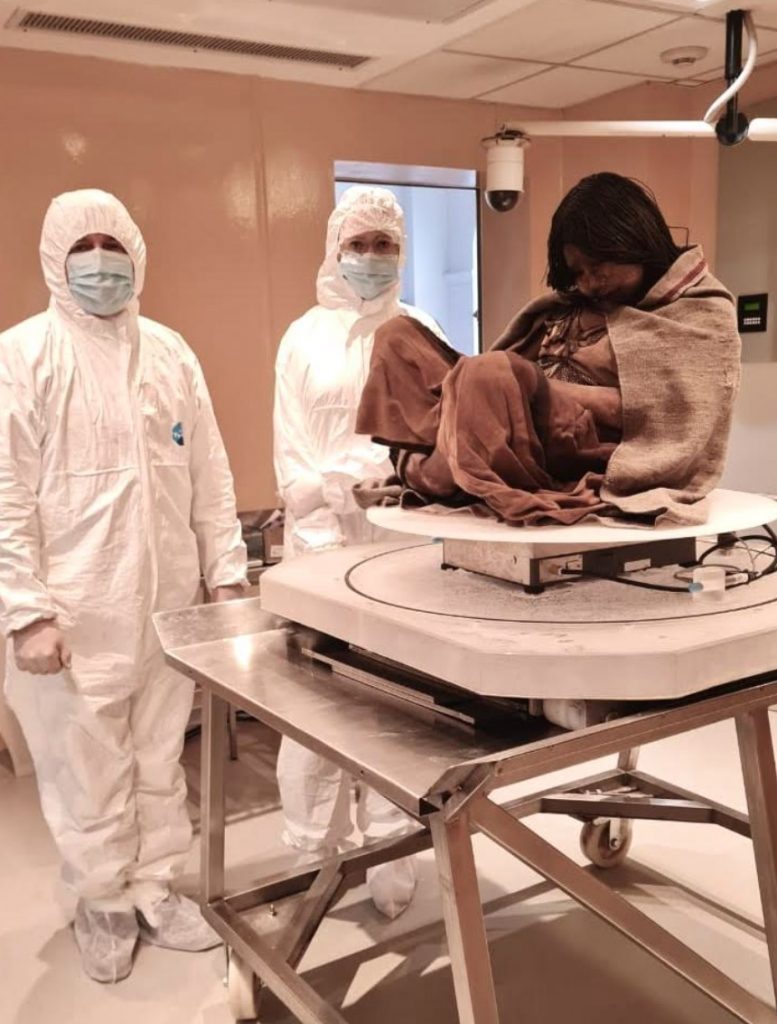
“The research focused not on the mummies themselves, but on short-lived organic remains found in the burial context, including maize grains, fragments of cassava and coca leaves. As these plants had been harvested relatively shortly before the ceremony, their radiocarbon dating enabled a more precise determination of the time of the ritual than previous analyses of the human remains alone,” explains Dr Dominika Sieczkowska-Jacyna from the UW’s Centre for Andean Studies.
The results indicate that the ceremony most likely took place between 1462 and 1507, with the most probable date being around 1499. This means that the ritual took place during a period of intense expansion and consolidation of the Inca state, during the reign of Huayna Capac – one of the empire’s last rulers before the Spanish conquest.
A dual role
New findings allow us to view the capacocha not merely as a religious event. The capacocha was a state ceremony linked to the worship of important sanctuaries (including mountain peaks) and the maintenance of the cosmic order, but it may also have served to consolidate the Incas’ presence in newly subjugated regions.
“It is not yet possible to attribute this ceremony to a specific ruler with 100 per cent certainty. However, the new dating fits well with the period when the southern regions of the empire were already being incorporated into the Inca state structure, and colonial sources mention Huayna Capac’s journey to the southern provinces and the offering of lavish sacrifices to the gods,” emphasises Dr Dagmara Socha from the UW’s Centre for Andean Studies.
The significance of this research extends beyond the specific case of Llullaillaco. It demonstrates that combining radiocarbon dating, isotopic analysis and chronological modelling can help to reconstruct Inca history more accurately. As a result, the famous high-altitude Inca sacrifices can be analysed not only as religious events, but also as part of the empire’s broader political and administrative strategy.