


Prof. Ben L. Feringa spoke about his first molecule, nanomaterials, smart drugs, as well as about how important it is in life to ask questions and how The Simpsons predicted the Nobel Prize. On 9th January, the eminent chemist from the University of Groningen gave a lecture at the UW on the art of creating small things.
Database, one of the characters in The Simpsons animated series, bet on B.L. Feringa as a future Nobel Prize winner in chemistry in an episode from 2010. Six years later, the professor from the University of Groningen did indeed receive the Nobel Prize – together with Prof. Jean-Pierre Sauvage and Prof. J. Fraser Stoddart – for the design and synthesis of molecular machines.
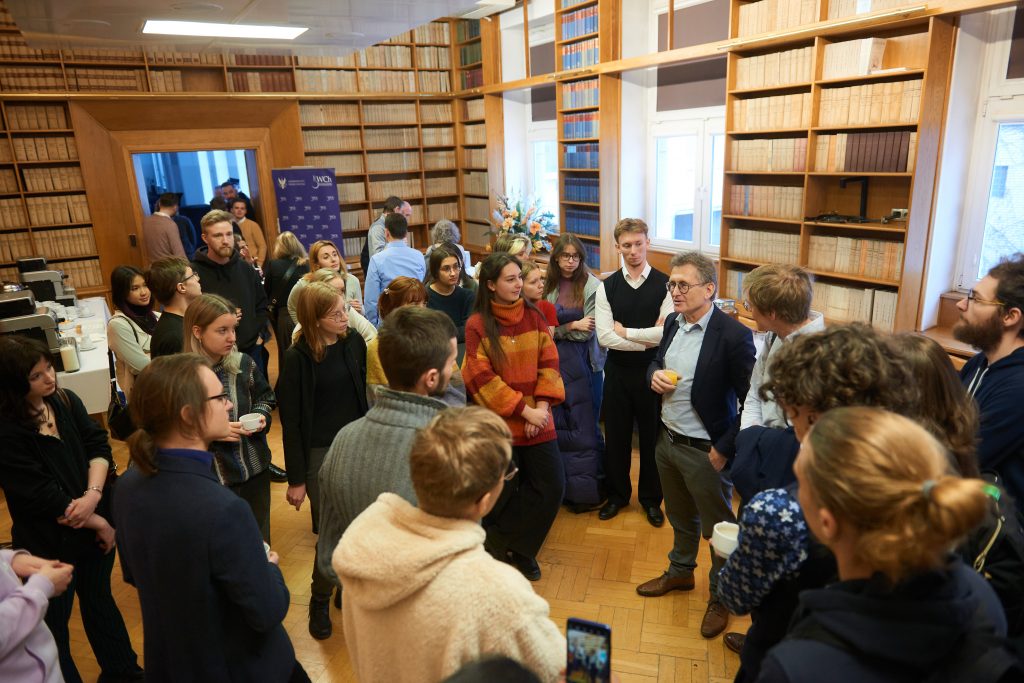
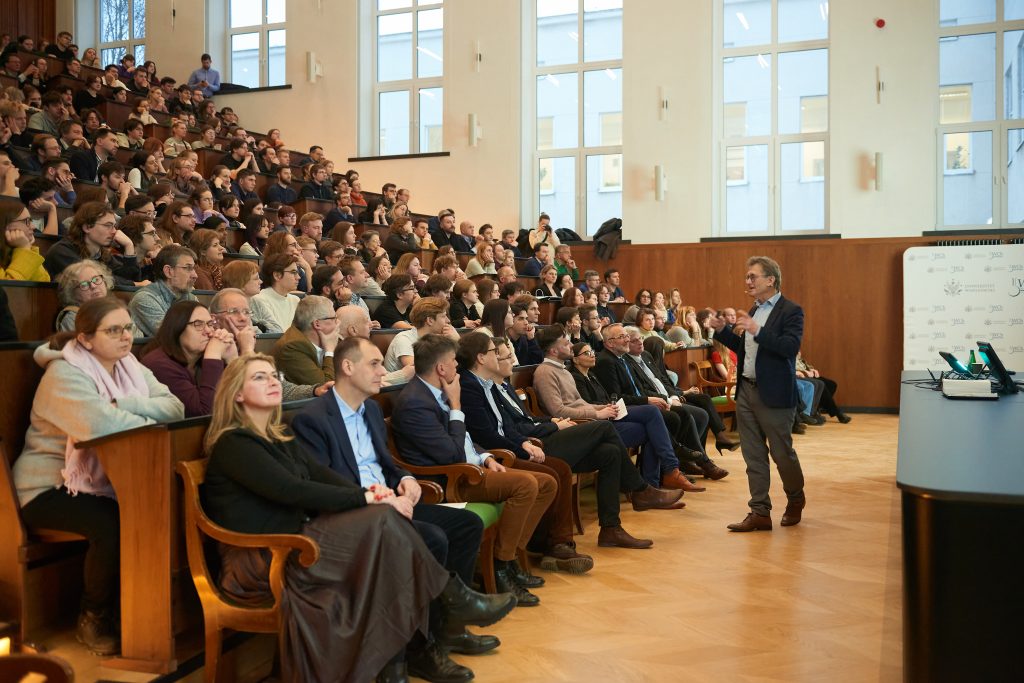
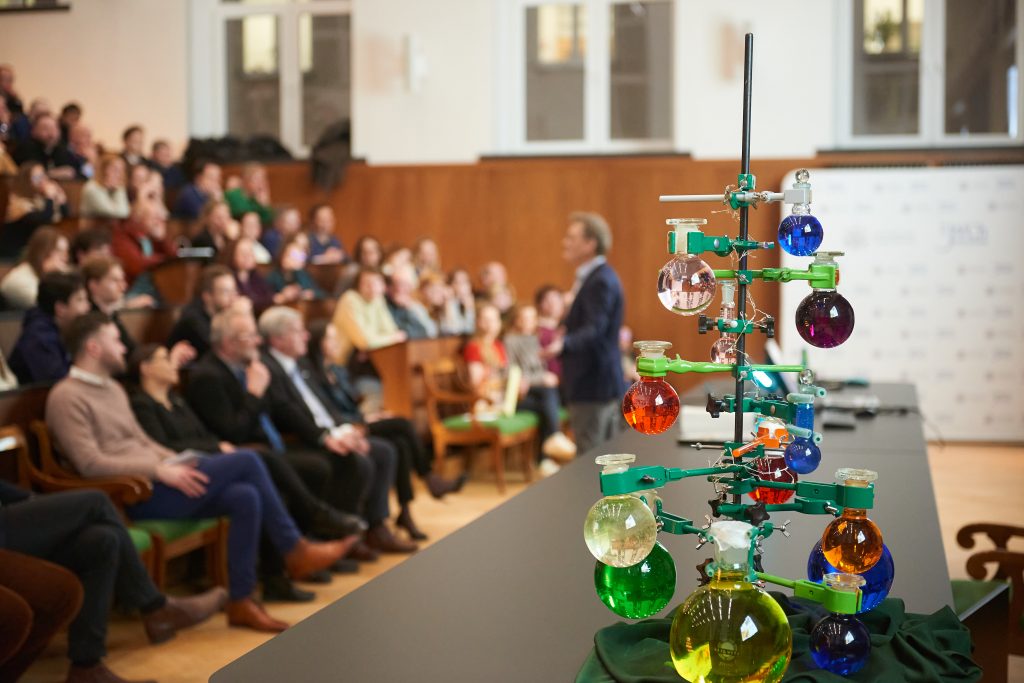
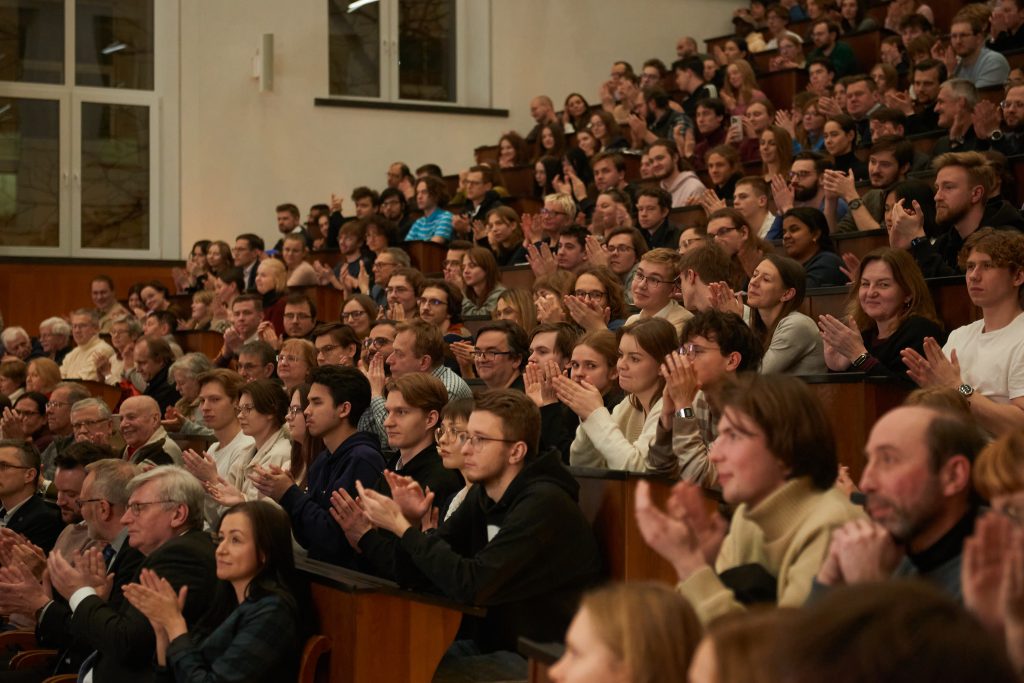
Fascination with the world of molecules was the main topic of the meeting with the Nobel laureate, which took place on 9th January at the UW’s Faculty of Chemistry. Participants in the crowded Wojciech Świętosławski Hall listened to stories about the first molecule built by Prof. Feringa and the research conducted by his group at the University of Groningen, including light-driven molecular engines, smart materials and computational chemistry.
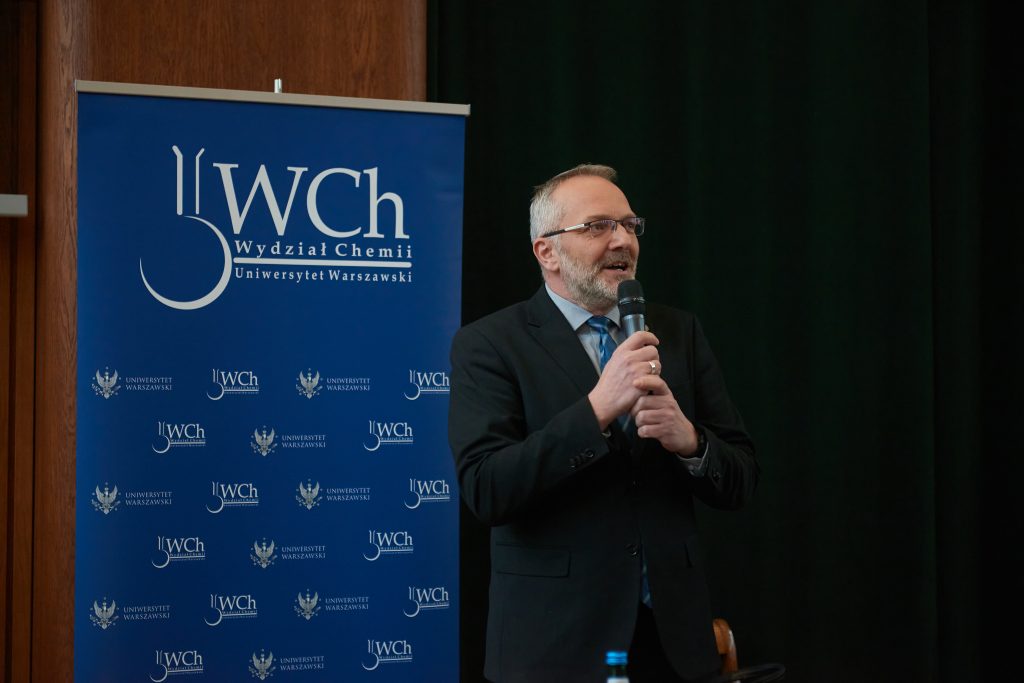
The guest of the University of Warsaw was welcomed by Prof. Zygmunt Lalak, Vice-Rector for Research, and Prof. Sławomir Sęk, Dean of the Faculty of Chemistry.
“Prof. Ben L. Feringa is an example of a scientist whose work, inspired by curiosity about the world, has yielded important practical results. His activities motivate others to think about big ideas and implement them in reality,” said Prof. Lalak.
The Nobel laureate was introduced by Dr Wojciech Danowski from the UW’s Faculty of Chemistry, a former doctoral student of Prof. Feringa. The lecture was the culmination of the celebrations marking the 70th anniversary of the Faculty of Chemistry at the University of Warsaw.

Beyond the horizon
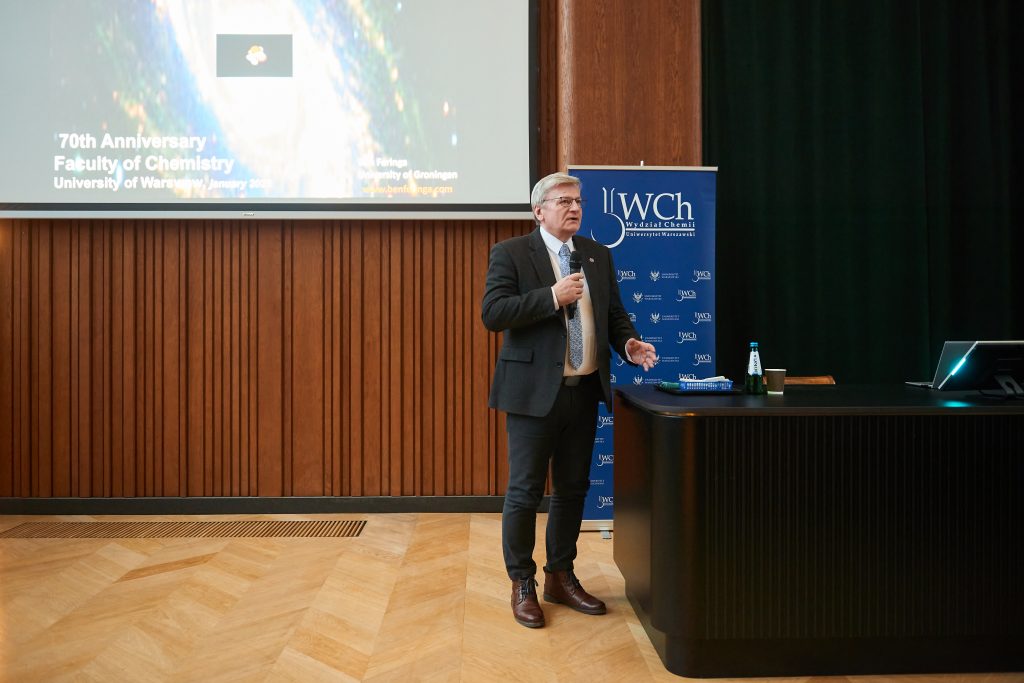
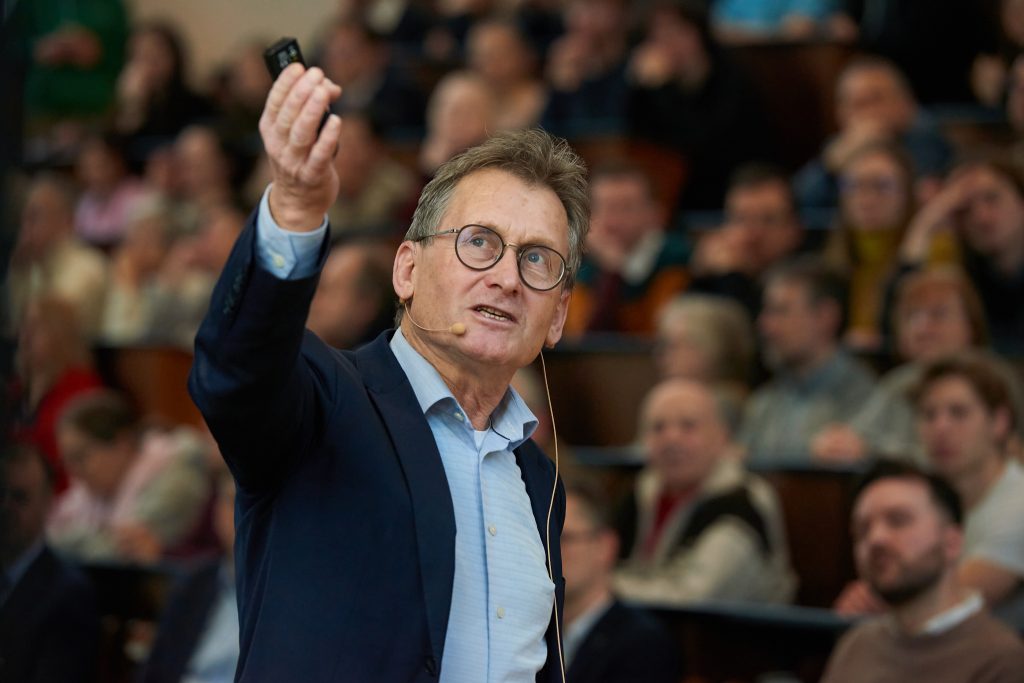
Prof. Ben L. Feringa gave a lecture entitled The art of building small, in which he explained, among other things, the importance of basic research for the development of civilisation.
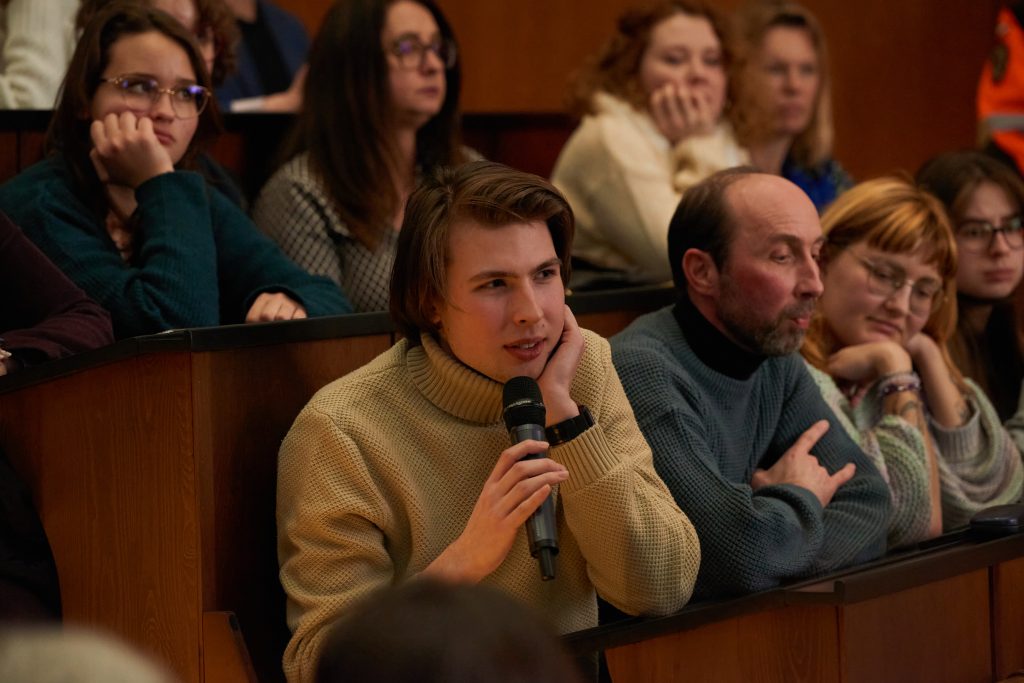
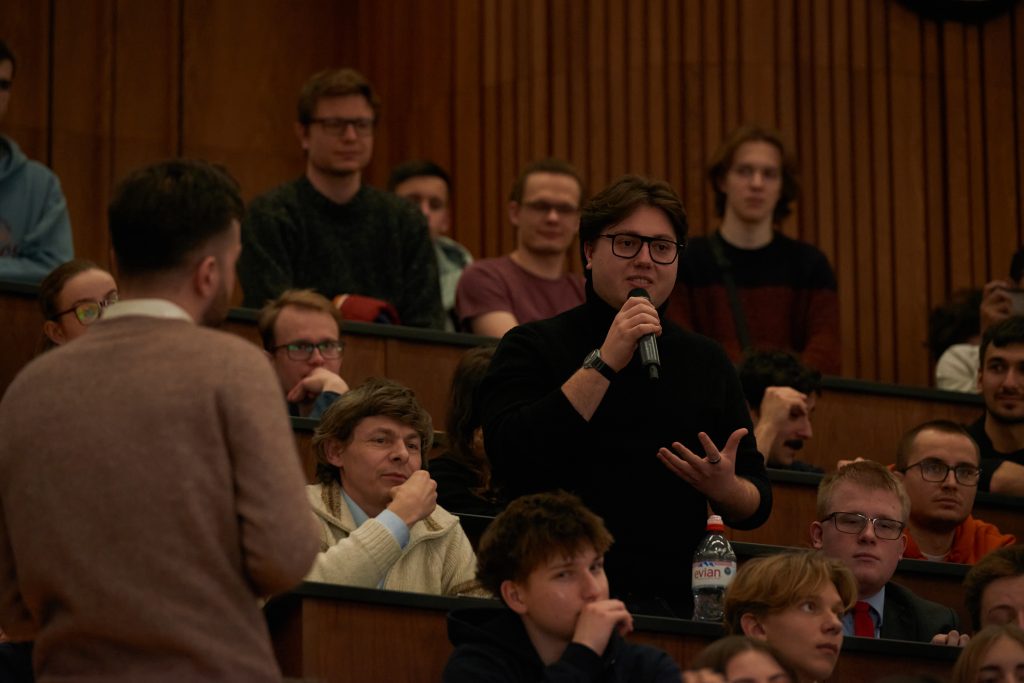
“The joy of discovering the world means challenges for students, dreams come true for scientists, and new opportunities for society. However, we must not forget about question marks. Asking questions is a journey into the unknown and an adventure. Lucky coincidences also play an important role. Discoveries often seem to be the result of chance and, as such, completely change our perspective on a given issue,” said Prof. Feringa.
The Nobel laureate also emphasised the role of parents and teachers in shaping curiosity about the world, as well as the importance of thinking outside the box: “We must look far beyond the horizon, approaching contemporary problems with respect for sustainable development or new technologies.”
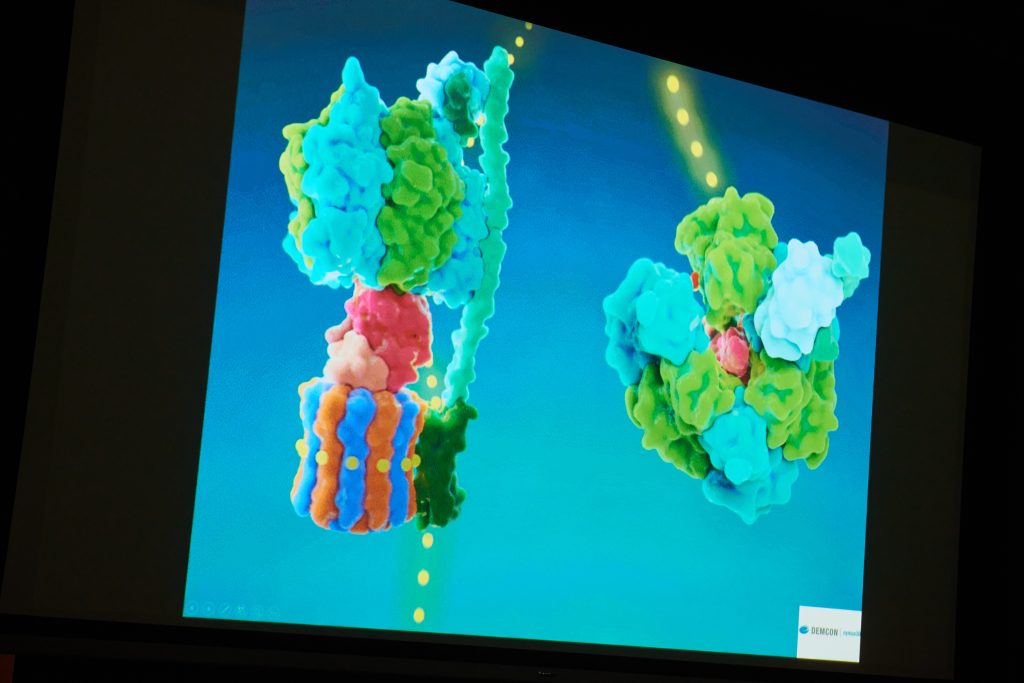
Prof. Feringa touched on the subject of nanotechnology and its applications in information gathering and medicine, molecular switches and engines, as well as responsive materials.

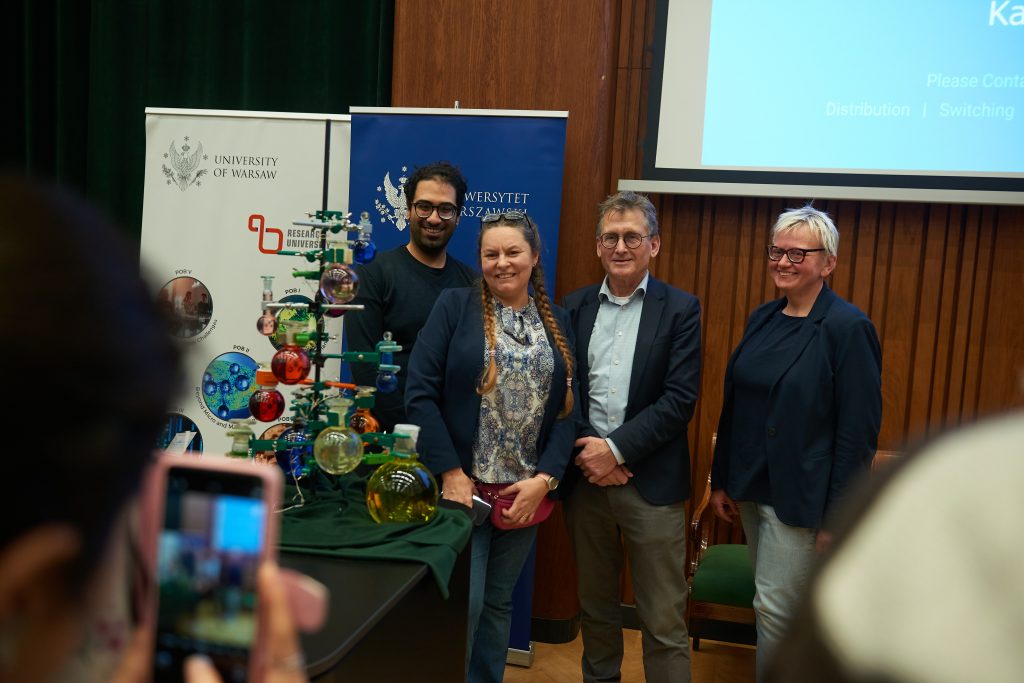


Prof. Ben L. Feringa is a Dutch chemist affiliated with the University of Groningen, where he obtained his doctorate and was awarded the title of professor in 1988. In 2008, he received a knighthood from the Queen of the Netherlands. He is also a member of the Scientific Council at the European Research Council.
His research interests include stereochemistry, organic synthesis, asymmetric catalysis, photopharmacology, molecular switches and motors, self-organisation, and molecular nanosystems. Prof. Feringa’s research team also studies self-organisation processes, chirality control and amplification, and researches chemical systems far from equilibrium and the chemical origins of life.