

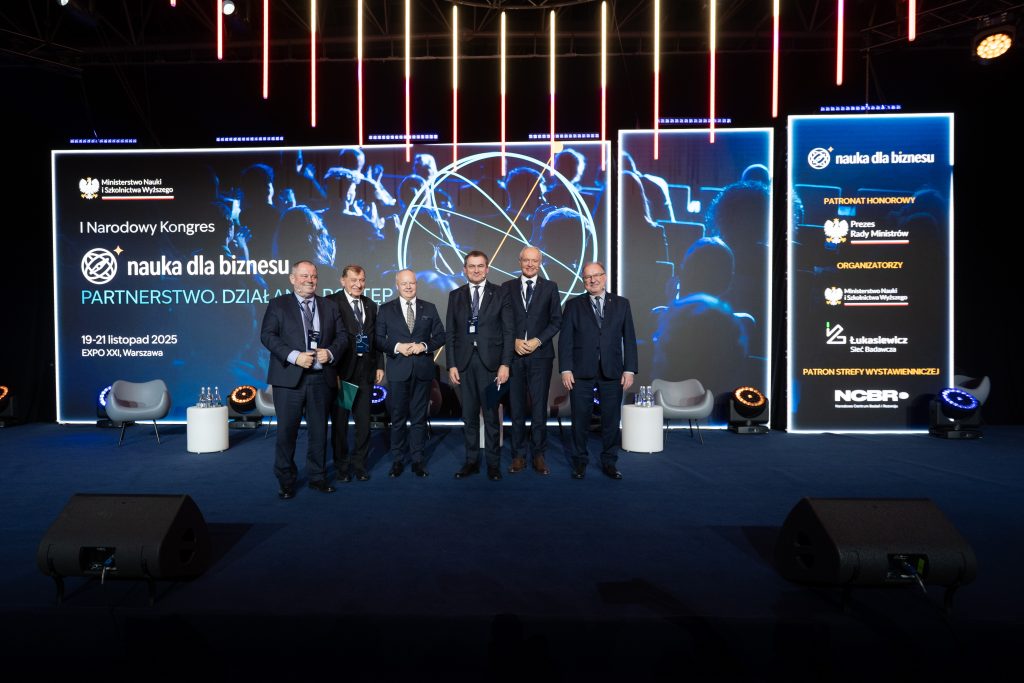
„Today’s universities can be regarded as forges of knowledge, places where high-quality scientific research is conducted and valuable seminars and conferences are organised, but also as institutions that foster entrepreneurship. Mutual trust between science and business is important, as is building social awareness in this area,” said Prof. Alojzy Z. Nowak, Rector of the University of Warsaw, during the 1st National Congress „Science for Business”. The event was organised by the Ministry of Science and Higher Education and the Łukasiewicz Research Network.
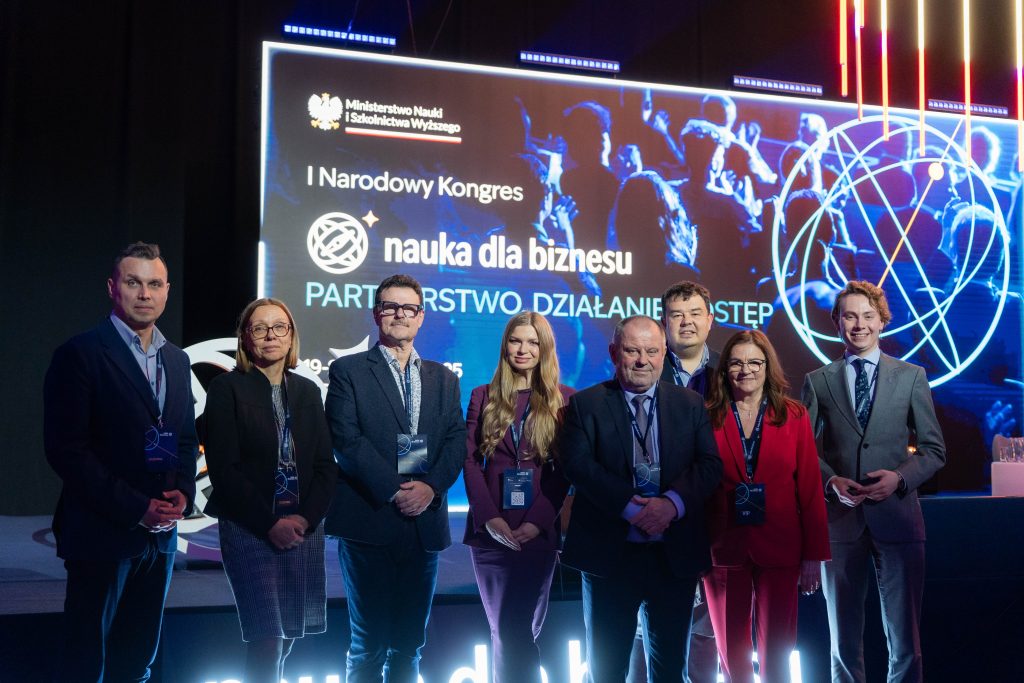
The 1st National Congress „Science for Business” aimed to initiate systemic cooperation between the world of science and the economic sector. The three-day event (19th–21st November) at the EXPO XXI halls in Warsaw brought together leaders from academia, public administration and business. The congress was inaugurated by Prime Minister Donald Tusk. The opening ceremony was also attended by, among others, Marshal of the Senate of the Republic of Poland Małgorzata Kidawa-Błońska and Minister of Science and Higher Education Dr Marcin Kulasek.
The need for trust
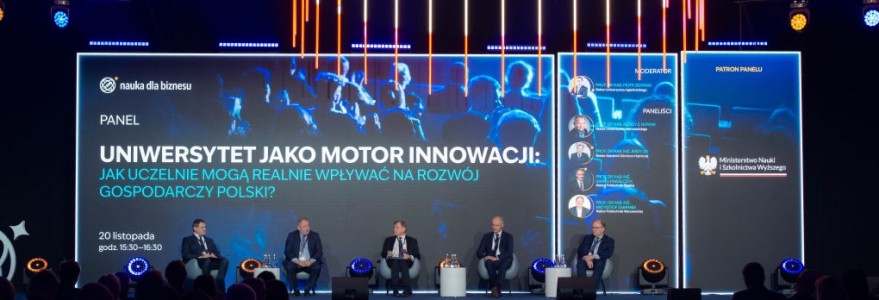
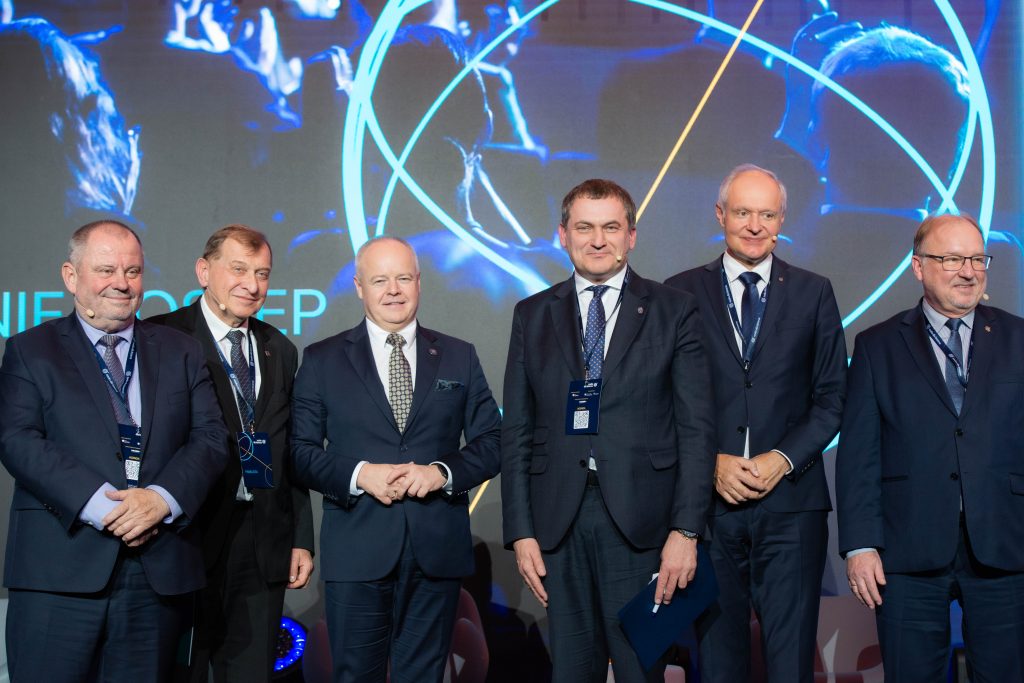
One of the highlights of the programme was a rectors’ debate entitled „The university as a driver of innovation: how can higher education institutions genuinely influence Poland’s economic development?” with the participation of Prof. Alojzy Z. Nowak (University of Warsaw), Prof. Piotr Jedynak (Jagiellonian University), Prof. Jerzy Lis (AGH University of Krakow), Prof. Marek Pawełczyk (Silesian University of Technology) and Prof. Krzysztof Zaremba (Warsaw University of Technology).
We feel a strong need for inter-university cooperation, and we are putting this into practice. We are conducting joint projects on, among other things, digitalisation and new technologies – both nationally and internationally. We cannot imagine functioning without business. We believe it works the other way round, too – not only in terms of running degree programmes or commissioned applied research, but also in organising various seminars and conferences and increasing business representatives’ access to the intellectual capital created by our staff, doctoral candidates and students,” said Prof. Alojzy Z. Nowak.
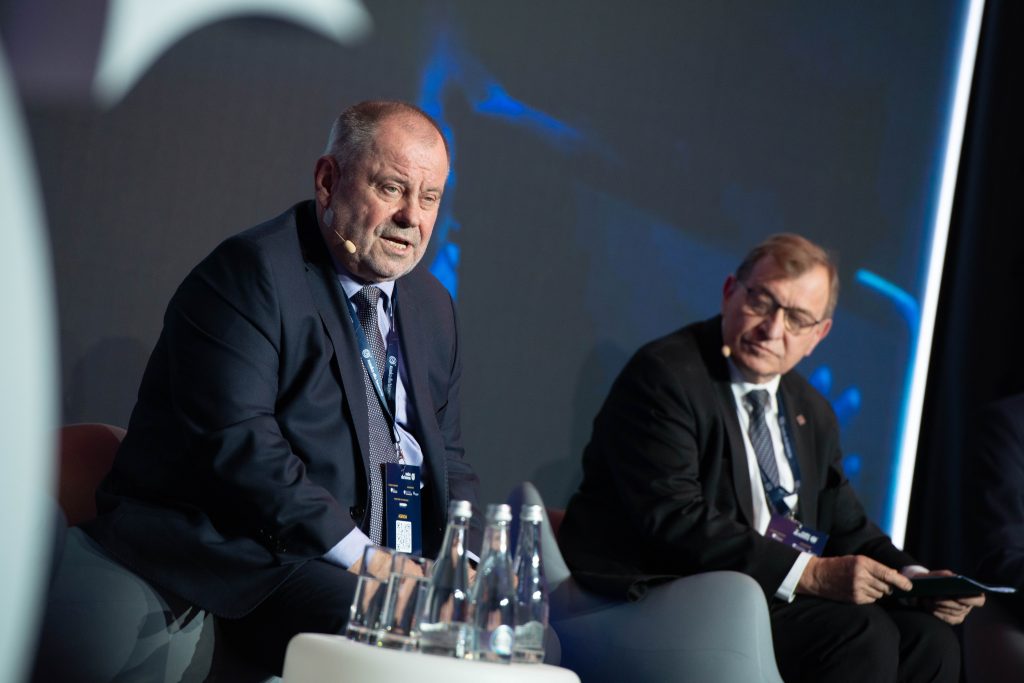
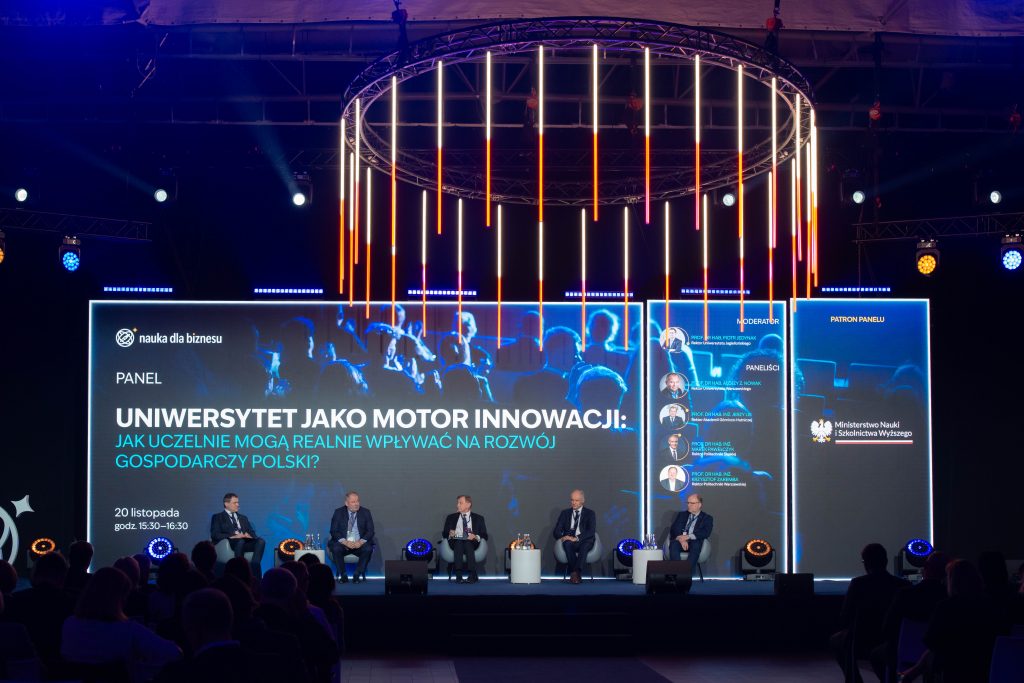
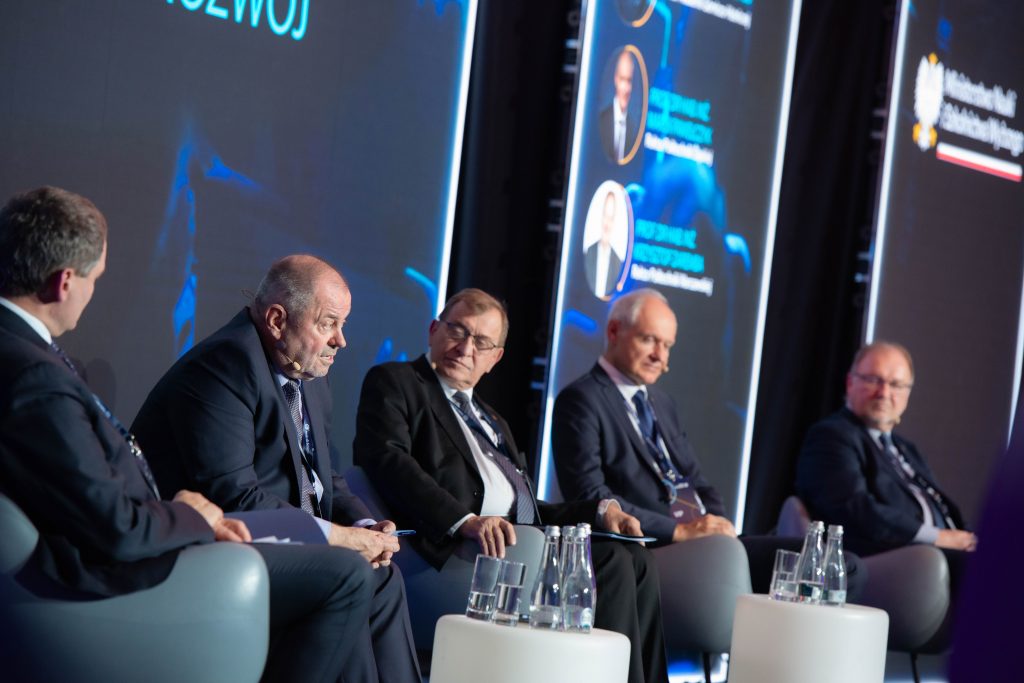
The Rector of the University of Warsaw emphasised the importance of cooperation with business and noted that a „driving force” was lacking in this area: “Perhaps the business sector fears the lack of clear results that fully meet its expectations. Yet nothing in science is obvious. We must become convinced that it is worth taking risks – we must trust one another. And this is increasingly the case, as this congress itself demonstrates.”
Today’s universities can be regarded as forges of knowledge, places where high-quality scientific research is conducted and valuable seminars and conferences are organised, but also as institutions that foster entrepreneurship. We set up start-ups and spin-offs, teach young people entrepreneurship, and secure grants – also at a global level – and we are shareholders in important ventures. Mutual trust between science and business is key,” the Rector added.
During the debate, issues such as innovation, interdisciplinarity, applied research, patents, research funding and international cooperation were discussed.
The Rector on cooperation between science and business
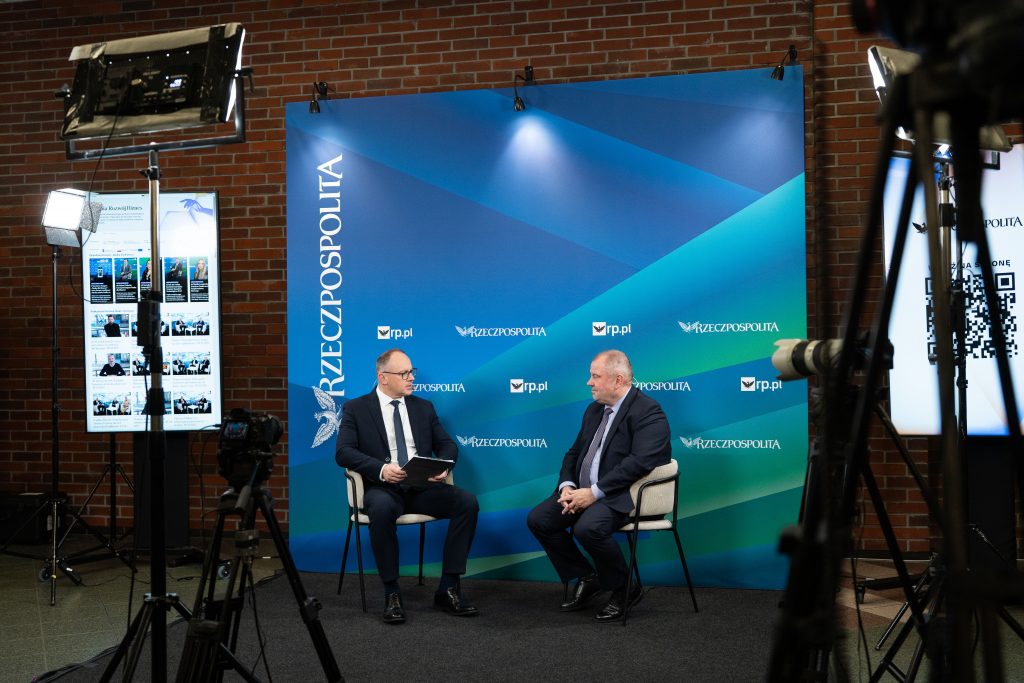
During the congress, the Rector of the University of Warsaw, Prof. Alojzy Z. Nowak, gave an interview to Rzeczpospolita newspaper, answering questions about the cooperation between science and business.
AI, medicine, innovation
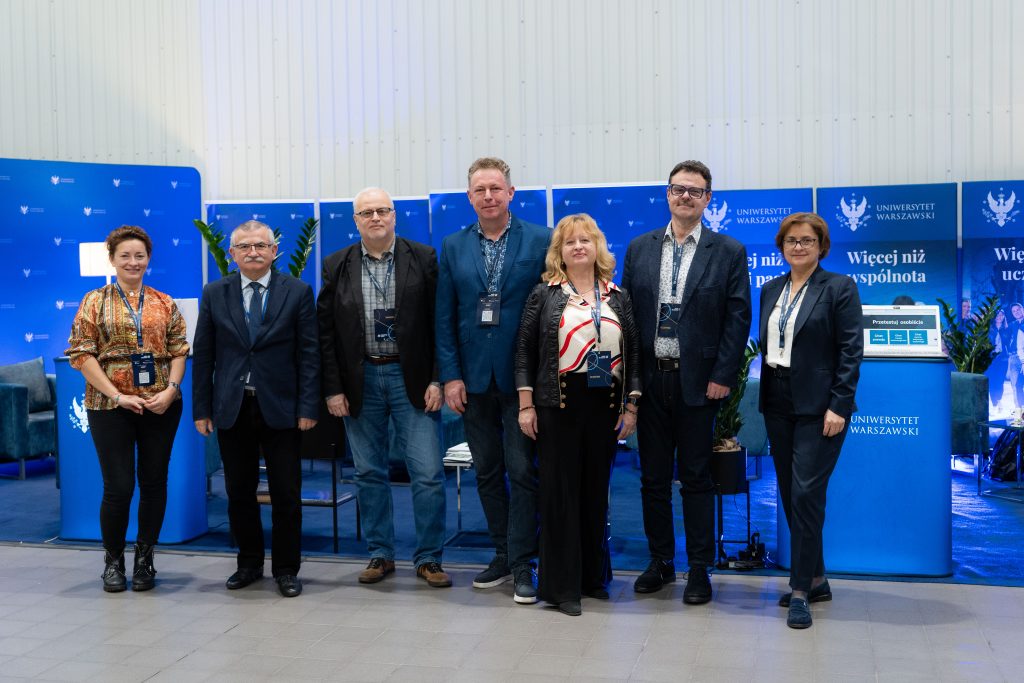
Numerous representatives of the University of Warsaw took part in the panels and in the exhibition area.
Prof. Piotr Sankowski from the Faculty of Mathematics, Informatics and Mechanics, Director of the IDEAS Research Institute, spoke about the challenges and opportunities brought by the development of artificial intelligence and digitalisation in Poland. Prof. Jacek Jemielity, Director of the Centre of New Technologies and President of ExploRNA Therapeutics, and Prof. Magdalena Stobińska, Head of the Quantum Information Technology Research Group “QCAT”, answered questions about why clinical research should be a priority in a mature healthcare system and how to accelerate knowledge transfer. Dr Małgorzata Durska from the American and European Studies Institute, Director General of the Polish Business Roundtable, chaired a panel entitled “Technology transfer between science and business. Which mechanisms support it best, and which hinder it?”
Representatives of, among others, the Biological and Chemical Research Centre, the Centre for Technology and Knowledge Transfer, the Business Centre, as well as the Faculties of Biology, Chemistry, Economic Sciences, Political Science and International Studies (Department of Information Technology), Psychology (Centre for Applied Psychology) and Management presented their offer for business partners.