


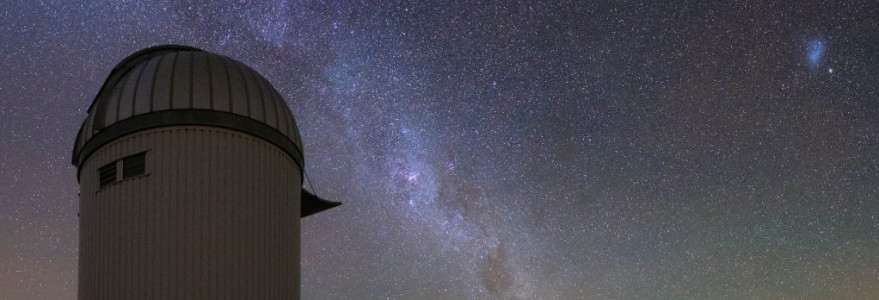
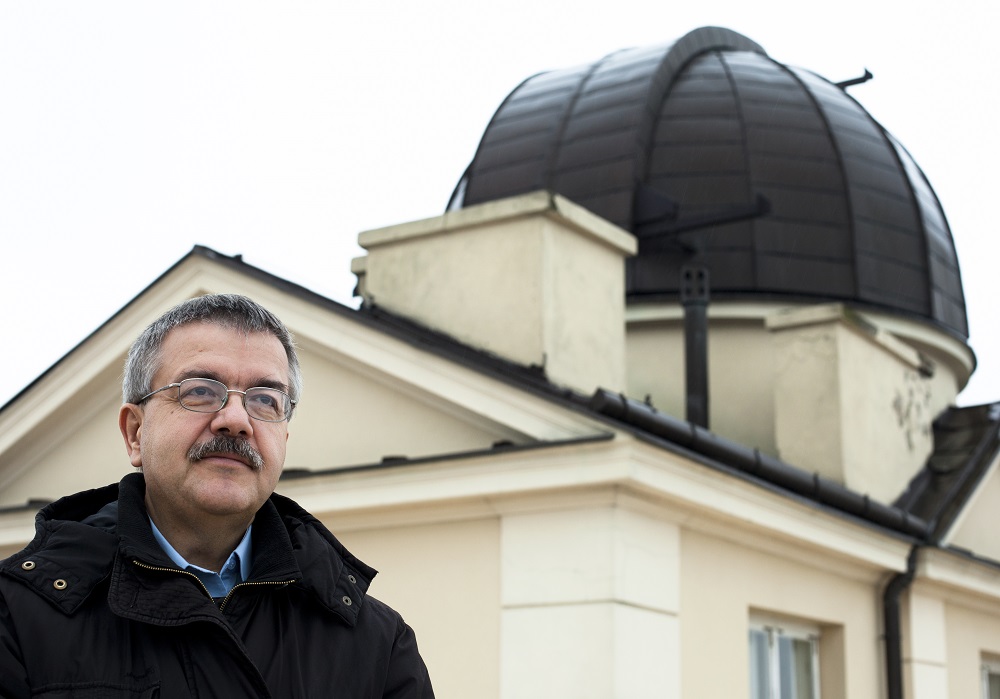
Scientists at the University of Warsaw have been achieving excellent results in astronomical research for years. The UW Astronomical Observatory has been operating continuously since 1825. In January, it became a university-wide unit.
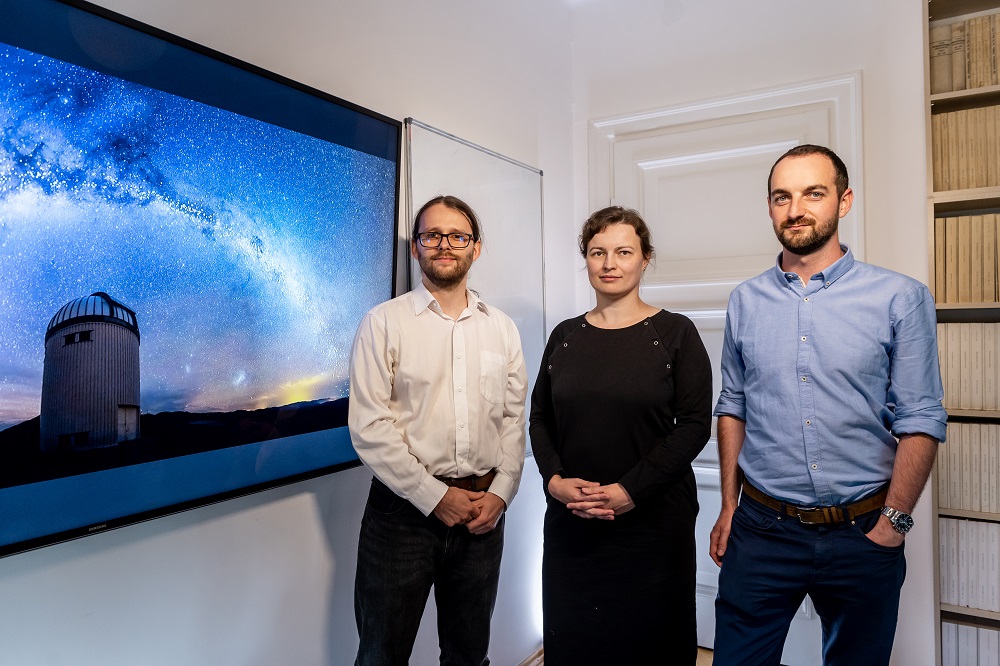
Despite many difficult periods in its history, the University of Warsaw Astronomical Observatory (OA UW) has kept pace with global trends in sky research throughout its 200 years of existence. 20 researchers work here, supported by a dozen or so doctoral candidates. The director of the unit is Prof. Tomasz Bulik. On 1st January, the order of the Rector of the University of Warsaw, Prof. Alojzy Z. Nowak, on the establishment of the Astronomical Observatory as a university-wide organisational unit came into force.
The outstanding level of scientific research determines the significant position of OA UW in Poland and worldwide, as evidenced by prestigious awards granted, for example, by the Prime Minister of Poland, the Foundation for Polish Science, and the President of the Polish Academy of Sciences, as well as prestigious national (FNP, MNiSW) and international (NSF, NASA) grants.
The OA UW owes its position as a global leader in large-scale photometric sky surveys to the OGLE and ASAS projects, which have been running for over a decade. OA UW employees also actively participate in such well-known global projects as Araucaria, H.E.S.S., CTA, LIGO/VIRGO, and the Planck and Gaia satellite missions.
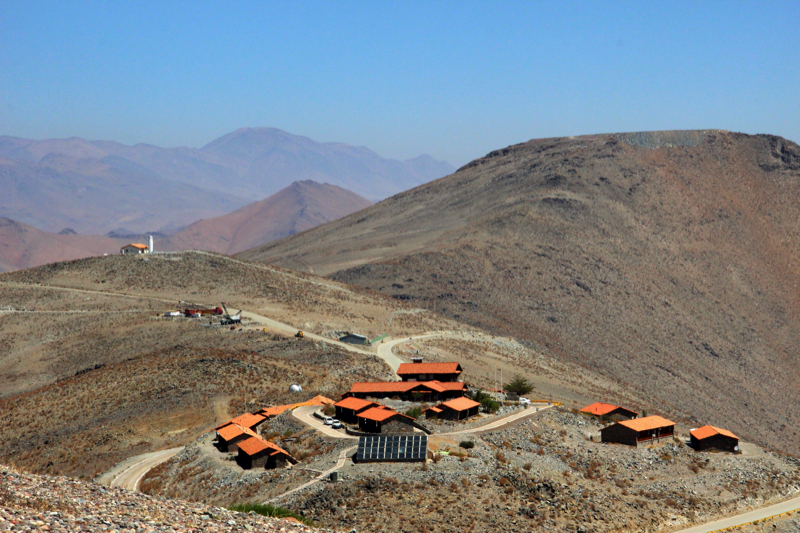
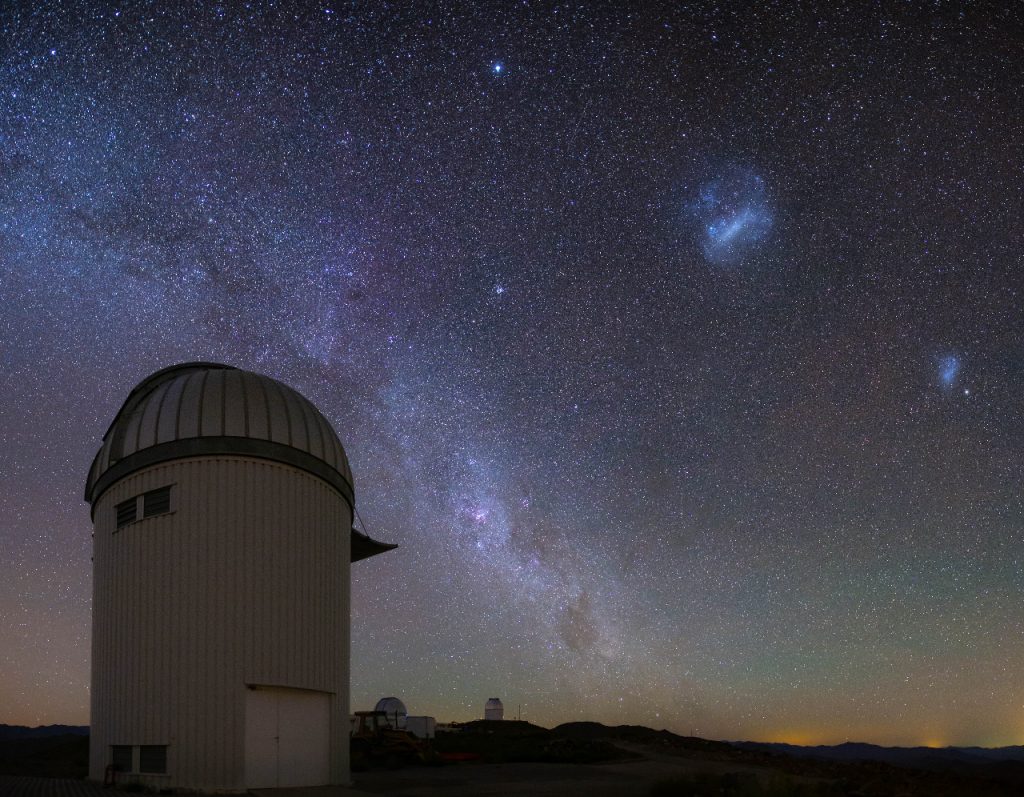
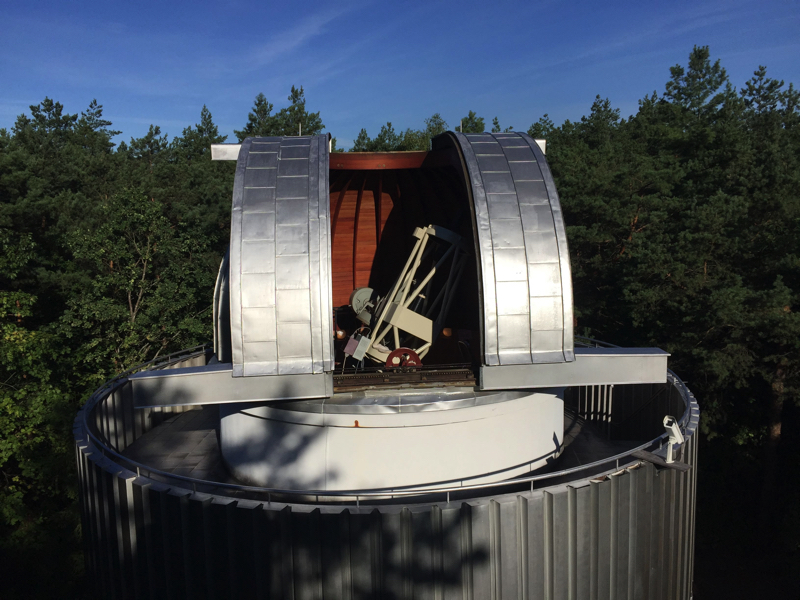
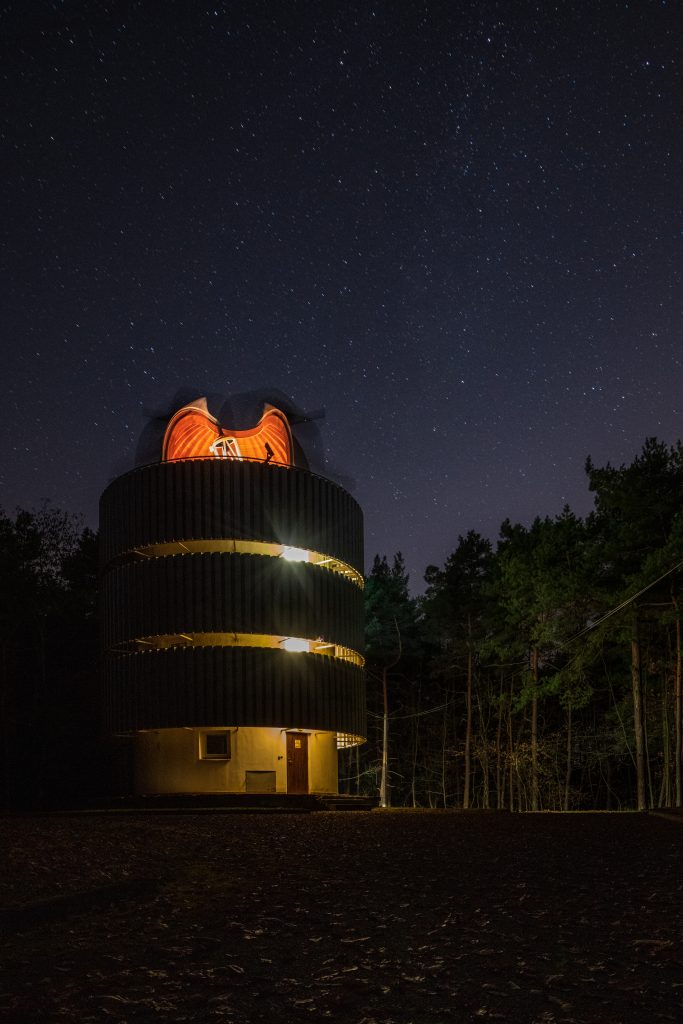
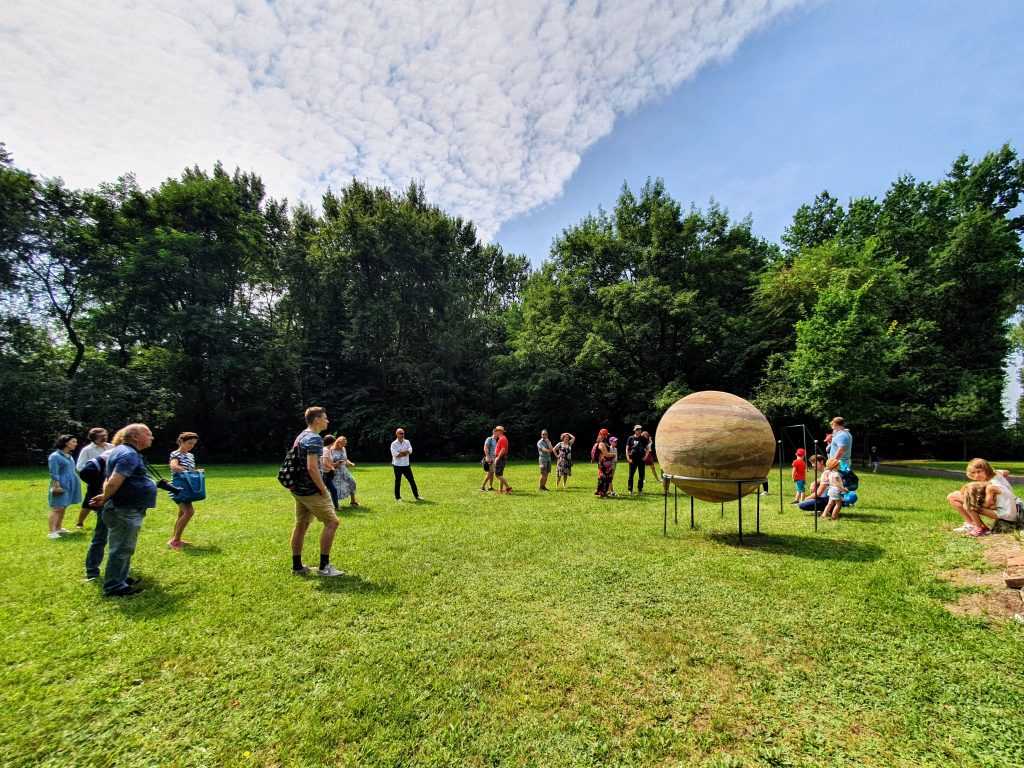
The OA UW has two observation stations: the northern one in Ostrowik near Warsaw, intended mainly for educational purposes, and the southern one at the Las Campanas Observatory (LCO) in Chile – one of the best astronomical locations in the world.
The astronomy programme consists of two-stage studies: bachelor’s and master’s degrees, as well as individual studies for the most talented secondary school graduates. In accordance with long-standing practice, outstanding senior students participate in scientific projects. The vast majority of world-renowned Polish astronomers received their education at the OA UW.

World leader
Throughout its 200 years of existence, despite many difficult periods in its history, the OA UW has kept pace with global trends in the field of sky research. It is best known for the achievements of the OGLE (Optical Gravitational Lensing Experiment) team, which has been conducting regular measurements of the brightness of 2 billion stars in the Milky Way and the neighbouring Magellanic Clouds for over 30 years from one of the best locations in terms of atmospheric conditions – Las Campanas Observatory in Chile. The project is headed by Prof. Andrzej Udalski. The OGLE team pioneered the discovery of exoplanets using two methods: the transit method and gravitational microlensing. OGLE’s huge database has been used to discover hundreds of thousands of variable stars and about 20,000 gravitational microlensing events. In 2019, scientists developed, among other things, a unique three-dimensional map of the Milky Way, and in 2025, they conducted groundbreaking research on dark matter.
On 1st January, “Science” magazine announced another discovery that could be called the discovery of the decade. An international team of astronomers, in which scientists from the OGLE and Gaia Science Alerts projects of the Gaia satellite played a key role, demonstrated the existence of a new class of exoplanets – free-floating planets.