


New buildings, comprehensive renovations of halls of residence, investments totalling nearly one billion zlotys, almost 250 million zlotys from the Scholarship Fund, numerous catering outlets, and improvements to security and psychological support services are just some of the examples illustrating the development of the University of Warsaw over the past six years. All serve a single purpose: to significantly improve the learning and working conditions of the academic community. Poland’s leading university is intensively developing its infrastructure and support services, responding to the needs of a modern research university and its community.
The University of Warsaw is a leader among higher education institutions in Poland. The standard of education it offers, its advanced research and its excellent employees are the elements that make the university an undisputed brand and authority in the world of science. A clear example of this is the investment in infrastructure development and support systems for over 40,000 students, doctoral candidates and postgraduate students, as well as 8,000 university employees.
The UW is an institution whose standards – not only in terms of research and teaching, but also in its day-to-day operations – place it among the top 3% of universities worldwide (according to the Times Higher Education, QS World University Rankings and Academic Ranking of World Universities).

Strategic development of the university
Continuous development and its directions have been enshrined in the University of Warsaw’s Strategy for 2023–2032. This is intended to strengthen the mechanisms for the improvement and development of the University in the areas of teaching, research, university management and the working environment. The material gathered through consultations with the community of students, doctoral candidates and employees at the UW has enabled the identification of priority strategic and operational objectives embedded within the four pillars of the University’s activities, which are: comprehensive education, research excellence, responsible university management, infrastructure development, and a friendly and stimulating working environment.
In order to effectively implement the strategy’s objectives, adequate funding is required. In the case of the UW, this primarily consists of a grant from the Ministry of Science and Higher Education to maintain the university’s teaching and research capacity. In 2025, the university’s total budget amounted to nearly PLN 2.48 billion, of which the Ministry’s subsidy accounted for over PLN 1.3 billion (an increase of 8.9% compared to the previous year).
The University of Warsaw also secures funding from numerous grants, including international ones. Around 1,500 research projects are being carried out at the University of Warsaw, including prestigious ERC grants. The University of Warsaw remains the leader in Poland among research institutions that are beneficiaries of the European Union’s “Horizon Europe” Framework Programme. To date, the university has secured over €56 million in funding for 110 projects, including 33 coordinated by the University of Warsaw. Among the projects carried out under the “Horizon Europe” programme (previously “Horizon 2020”), grants from the European Research Council (ERC) are particularly prestigious, and the University of Warsaw has received the most of these among Polish institutions. The ERC supports outstanding, innovative research projects (frontier research). Researchers from over 30 countries, not only from Europe, compete in these calls.
By the end of 2025, the ERC had awarded grants to UW researchers on 40 occasions, and once to a foreign researcher who is carrying out their grant at the UW. ERC grant recipients are engaged in diverse and socially significant research, including in the fields of computer science, astronomy and archaeology – disciplines in which the university’s teams have already established a solid position in the scientific world. Among them is Prof. Piotr Sankowski from the Faculty of Mathematics, Informatics and Mechanics, who has secured an ERC grant four times, which is a significant achievement on a continental scale.
Another key element of the strategy is internationalisation and strengthening the involvement of students and doctoral candidates in university life. Students can, for example, secure grants for their projects and research trips. Funding for this purpose is provided, amongst others, by the Teaching Excellence Fund (FDD) and the IDUB Programme. The FDD has been operating at the UW since 2022. Under this scheme, students and doctoral candidates can apply for funding for various academic activities, in particular participation in academic conferences (with a presentation) and attendance at summer schools.
Under the Fund, resources may be used for: the purchase of equipment, including computer hardware and research apparatus; the development of distance learning methods and the enhancement of digital skills among students, doctoral candidates and academic employees; grants for students to fund work related to the preparation of their dissertations; teaching initiatives contributing to increased mobility of students, doctoral candidates and academic employees; the personalisation of study pathways for students and doctoral candidates; minimising or removing barriers to participation in the teaching process, in particular by ensuring the provision of student common rooms within teaching units.
Funding from the FDD is steadily increasing (in 2022 it amounted to nearly PLN 3 million, and in 2025 to over PLN 4.3 million). In total, over four years, this amounted to over PLN 14.6 million.
The University of Warsaw also runs student and doctoral pathways under the IDUB Programme (“Initiative of Excellence – Research University”). The University offers numerous grants and funding opportunities, including extensive support for mobility (research trips, conferences) and scholarship programmes.
The successful implementation of the strategy naturally requires the creation of the right conditions, so that the entire academic community feels that they are studying and working in a modern, welcoming environment that fosters development. It is for these reasons that the University of Warsaw regularly invests in teaching, research, digital and social infrastructure, meeting the needs of the academic community. In addition, the modernisation of IT infrastructure, systems and procedures related to improving digital document circulation is underway, as well as efforts to facilitate access to data supporting decision-making processes at all levels of management. The University of Warsaw maintains and develops the central e-learning platform Kampus. The platform is used for remote teaching sessions, language classes, courses (e.g. foreign language revision courses, health and safety training or library training), placement tests, final exams and entrance exams. In 2025, students were offered over 4,500 remote classes.

Ever-improving study conditions
At the UW, measures are systematically being taken to create comfortable conditions for studying and working. With the needs of students and doctoral candidates in mind, new faculty buildings, halls of residence and sports facilities are being built, whilst existing ones are being modernised. These initiatives are discussed with students and doctoral candidates, who provide their feedback and suggestions.
New or refurbished spaces are not only comfortable and functional lecture theatres and modern interiors, but also places where students and doctoral candidates can study together or spend their free time. All buildings are fully accessible to people with disabilities and incorporate eco-friendly solutions.
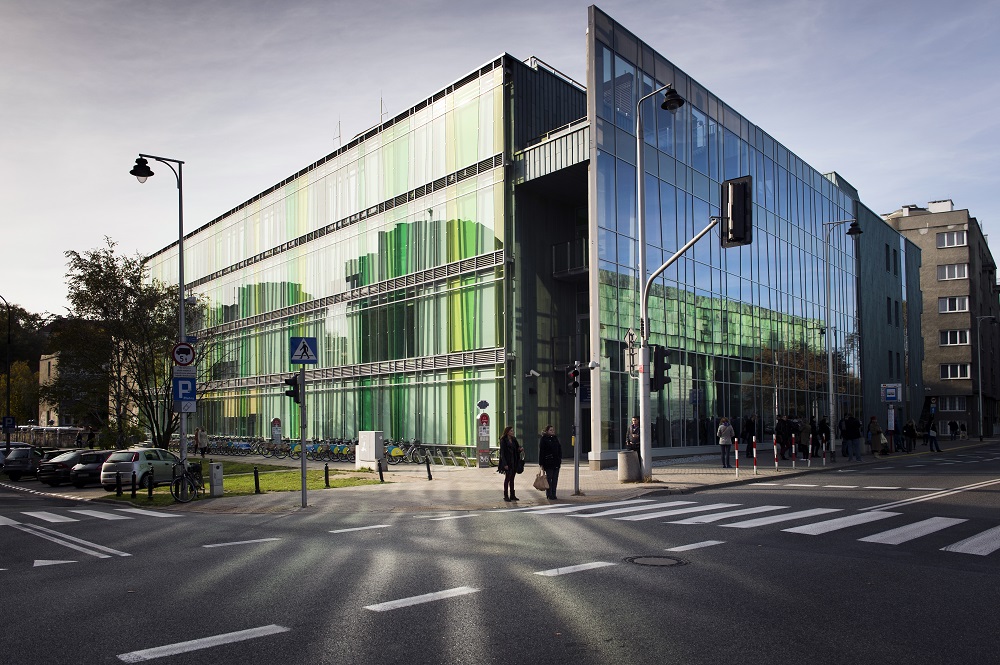
In September 2025, the new headquarters of the Faculty of Psychology in Ochota was opened. Located on Banacha Street, the building has six floors and covers an area of almost 26,600 m². The building houses: a lecture theatre for over 380 people, seminar rooms, lecture halls and computer rooms, group work rooms and research laboratories. There is a roof garden, and an observation deck is also available. It is used by around 2,000 people – primarily students, doctoral candidates and employees of the UW’s Faculty of Psychology.
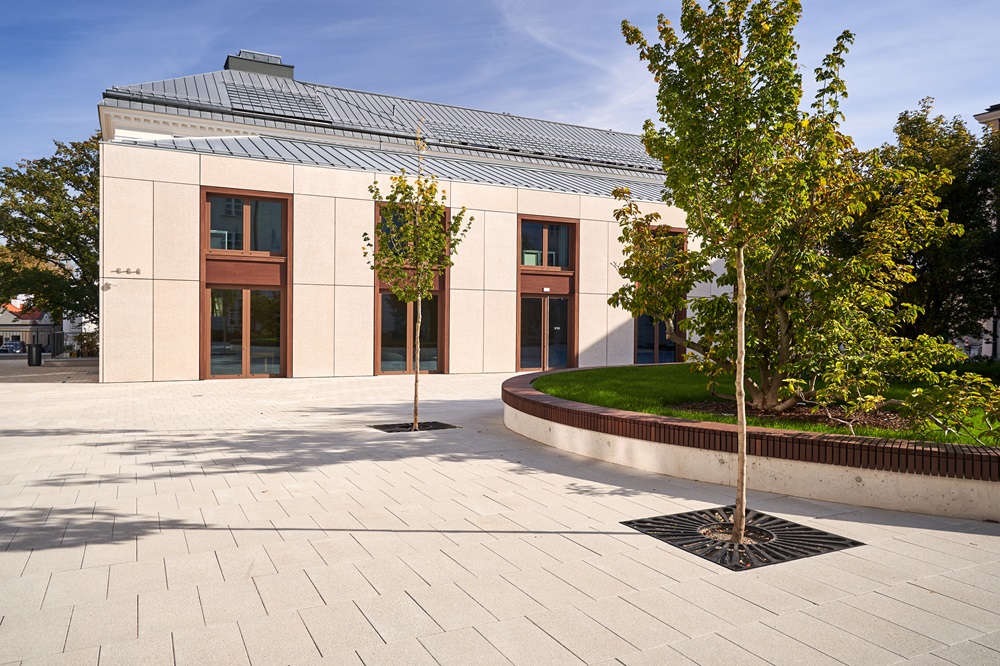
In 2022, construction was completed on the building at Dobra 55 in Warsaw’s Powiśle district – a modern space dedicated to teaching and research in the fields of modern languages and linguistics. The building’s roof features a garden where students can relax amongst the greenery after classes.
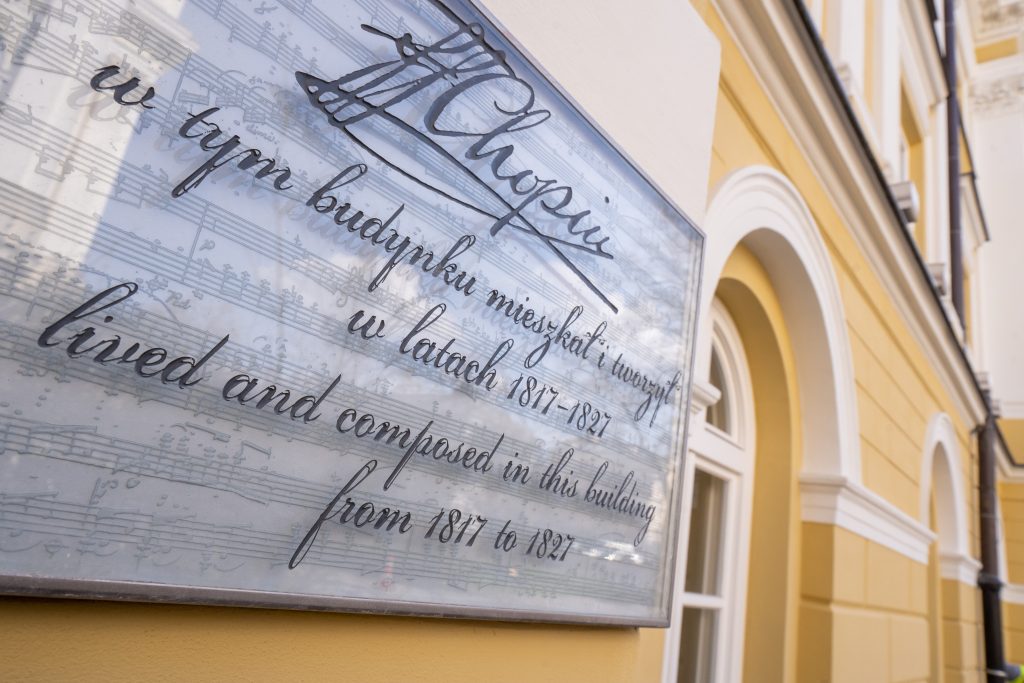
The Chopin Building is now also available for use, facilitating the development of teaching and research in Oriental studies and the cultural and artistic sciences.
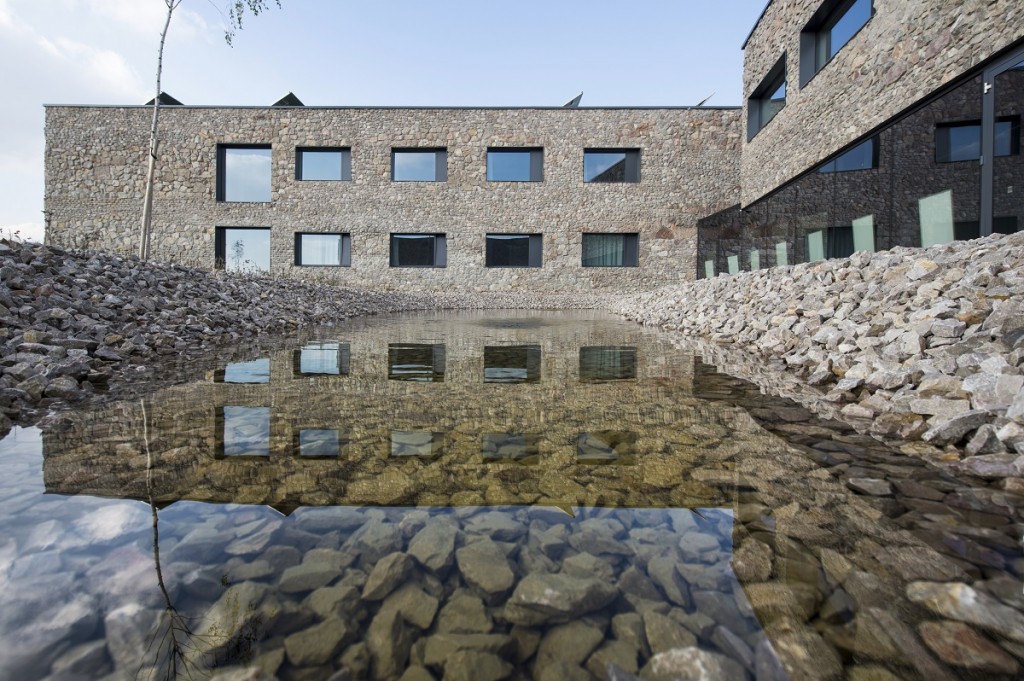
The UW is also expanding beyond Warsaw. One example is the modern European Centre for Geological Education (ECEG) in Chęciny. The facility is situated in the picturesque Świętokrzyskie Mountains. The ECEG provides access to state-of-the-art research technologies, which enables the implementation of programmes and the conduct of scientific research by students and university employees from around the world.
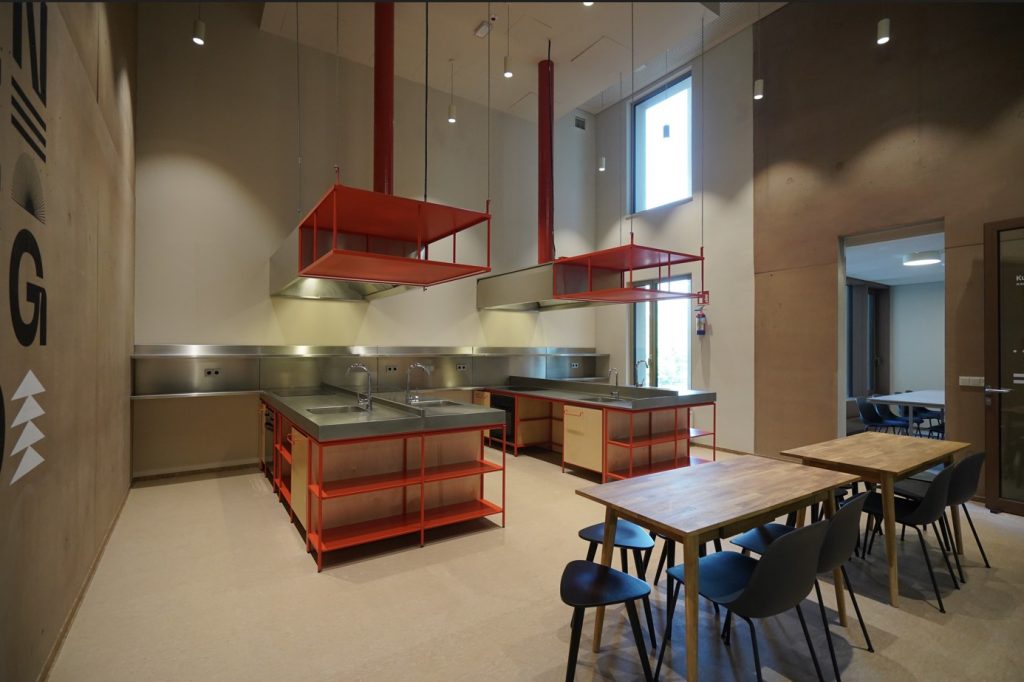
The buildings of the various teaching units provide common rooms for students and doctoral candidates. As part of the Rector’s Teaching Excellence Fund, orders for equipment for student common rooms are processed on an ongoing basis. From 2024, the University of Warsaw will allocate up to PLN 1 million annually for this purpose.
The UW has launched two doctoral spaces – areas designed to enable doctoral candidates to carry out their research in comfortable surroundings. Here, students can work on projects, conduct interviews for their doctoral theses, discuss joint publications, or meet as part of university organisations, such as the Doctoral School PhD Students’ Council, research societies, or doctoral groups organising conferences.
One space is located in the University of Warsaw Library, the other at the Faculty of Psychology on the Ochota Campus. The facilities are managed by the University of Warsaw PhD Student Council.
One space is located in the University Library in Warsaw, and the other at the Faculty of Psychology on the Ochota Campus. The facilities are managed by the University of Warsaw PhD Students’ Union.



Financial support for the best students
At the University of Warsaw, funding for financial support for the most outstanding students is increased every year. In 2025, payments for the Rector’s Scholarship (awarded to the best students in each year of a given degree programme) totalled over PLN 22.6 million. This is almost double the amount from six years earlier (in 2019, PLN 11.5 million was allocated to scholarships). This sum was distributed in the form of 2,049 Rector’s Scholarships for the best students, amounting to PLN 1,200 per month (paid over nine months).
With outstanding students and doctoral candidates at the start of their studies in mind (those beginning their undergraduate or doctoral studies in a given academic year), the “Scholarship to Start” programme was launched in the 2023/2024 academic year as part of the Rector’s Scholarship Fund. It is awarded to the most talented newly admitted students and doctoral candidates at the University of Warsaw. It is a one-off payment of PLN 18,000 (for doctoral candidates) and PLN 12,000 (for students). To date, over 900 students and doctoral candidates have benefited from it. The programme comprises three types of scholarship: “Scholarship to Start for Olympians”, “Scholarship to Start for Athletes” and “Scholarship to Start for Doctoral Candidates”.
The university’s commitment to rewarding outstanding academic achievements is also evident in relation to doctoral candidates. Currently, doctoral candidates at the UW’s doctoral schools receive a doctoral scholarship of PLN 4,346 gross per month, which exceeds the statutory minimum amount by PLN 775.50 gross. In the third year, following a mid-term assessment, the scholarship increases to PLN 5,500.50 gross per month. It is paid for a total of 48 months of study in the doctoral school. A doctoral candidate with a disability certificate receives a doctoral scholarship increased by 30% of the basic amount.
Doctoral candidates who have demonstrated academic achievement and have completed their first year of study may apply for an increase in their scholarship. In 2025, 598 people received this scholarship, which amounted to PLN 3,300 gross (as a one-off payment).
The University of Warsaw also runs the “Pro-Quality Final 5 Scholarship” programme. This scholarship is intended for doctoral candidates who have had to extend the deadline for submitting their doctoral thesis for objective reasons. The budget allocated for the payment of these scholarships amounts to PLN 500,000 per year. Up to 50 people receive them annually.

Over PLN 14 million for social grants in 2025
The University of Warsaw offers some of the most generous social benefits among Polish universities. Students at the University of Warsaw who find themselves in financial difficulty can apply for a social scholarship. In 2025, the total amount paid out to students from the Scholarship Fund was PLN 14,293,603. By comparison, in 2020 it was PLN 11,839,302.
The social scholarship is paid monthly at a fixed rate – depending on the per capita income of the family. The rates for the social scholarship for students ranged from PLN 864 to PLN 1,828 per month, and for the increased social scholarship from PLN 1,404 to PLN 2,368 per month. Scholarship rates for people with disabilities depend on the degree of disability and ranged from PLN 625 to PLN 1,000 per month.
Upon a documented application from a student who, for reasons beyond their control, has temporarily found themselves in a difficult life situation causing costly and short-term difficulties in their studies, a financial aid (a one-off payment) is also awarded. In the 2025/2026 academic year, this amounted to a maximum of PLN 5,500.
Doctoral candidates under the age of 35 may apply for social support in the form of financial assistance (non-repayable financial aid, e.g. for the birth of a child), loans (for residents of the Academic Staff Hall of Residence), as well as subsidies for their own holidays and those of their children (holidays at University of Warsaw centres, summer camps, stays in sanatoriums). These benefits are paid by the Office for Personnel Social Benefits.
A new source of support for doctoral candidates will be the Regulations on the Award of Financial Aid to UW Doctoral Candidates, drawn up pursuant to Article 209a of the Law on Higher Education and Science. All doctoral candidates, regardless of age, will be eligible to apply for these new benefits. The new regulations are scheduled to come into force before the summer holidays.

A university accessible to all
An important aspect of the university’s activities is ensuring free access to its premises, education and technology for everyone, including those with special needs, older people and people with disabilities. The UW has an Office for Persons with Disabilities, which provides support to those with special needs when their health condition makes it difficult to study under standard conditions. In 2025, support was provided to adapt 78 exams and assessed assignments to individual needs. The Office runs a lending service for specialist portable equipment, which provides specialist devices to support independent study. The lending service offers portable Braille devices, magnifiers, laptops, voice-enabled dictating machines, hearing aids, etc.
The University is among the national leaders in the field of accessibility, in terms of organisation, digital infrastructure and architecture. In 2024, the University of Warsaw and the National Centre for Research and Development signed an agreement to implement the “UWażni na Dostępność – Uniwersytet Równych Szans” (ENG: UW Focus on Accessibility – University of Equal Opportunities) project, worth over PLN 8 million. In 2025, the Accessibility Office was established.
Over the past year, work on architectural accessibility has covered 20 UW buildings. Preparations were made for the installation of 175 ToTuPoint voice guidance markers in 15 buildings, Braille signage was installed in two buildings, and work was coordinated on the project involving the construction of a passenger lift and the resurfacing of the area in front of the entrance to the building at Krakowskie Przedmieście 1. The scope of these activities confirms the continuation of the university’s long-standing policy of adapting spaces to the needs of people with special needs.
The sustainability and quality of this policy were also confirmed by further awards in the “Accessibility Leader 2025” competition. Student Hall No. 7 “Sulimy” was the winner in the residential/hotel category, whilst the “Wrzos” Creative Work and Recreation Centre in Kościelisko was among the finalists in the same category. These awards provide further confirmation of the effectiveness of the direction taken by the University of Warsaw and form part of a series of accolades received by the university in recent years.

Psychological support
The University of Warsaw is consistently expanding its initiatives to support the mental health of members of its community.
Since 2018, the University has operated a Psychological Support Centre. The centre serves as a first point of psychological support for the university community. Students and employees receive short-term support and guidance on where to seek further help.
The support system includes preventive measures such as training sessions, workshops, support groups and information campaigns (including “Your mind – your strength”), which boost awareness and mental resilience. At the same time, the university provides comprehensive support in crisis situations – including the opportunity to consult a psychologist or psychiatrist, participate in therapy groups, and access the UW Helpline and UW Support Chat.
Extensive catering facilities
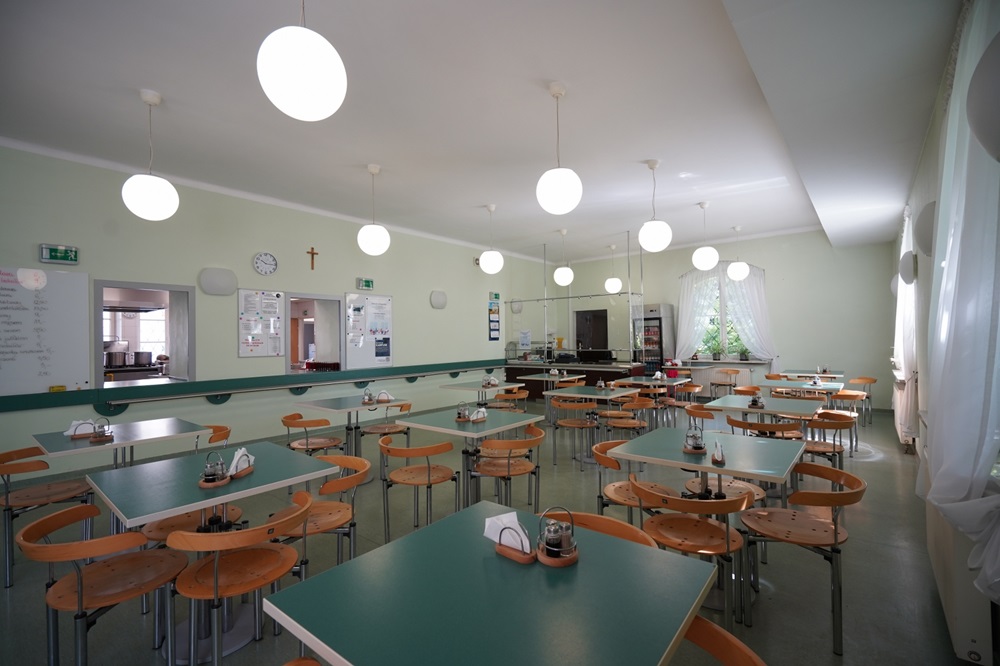
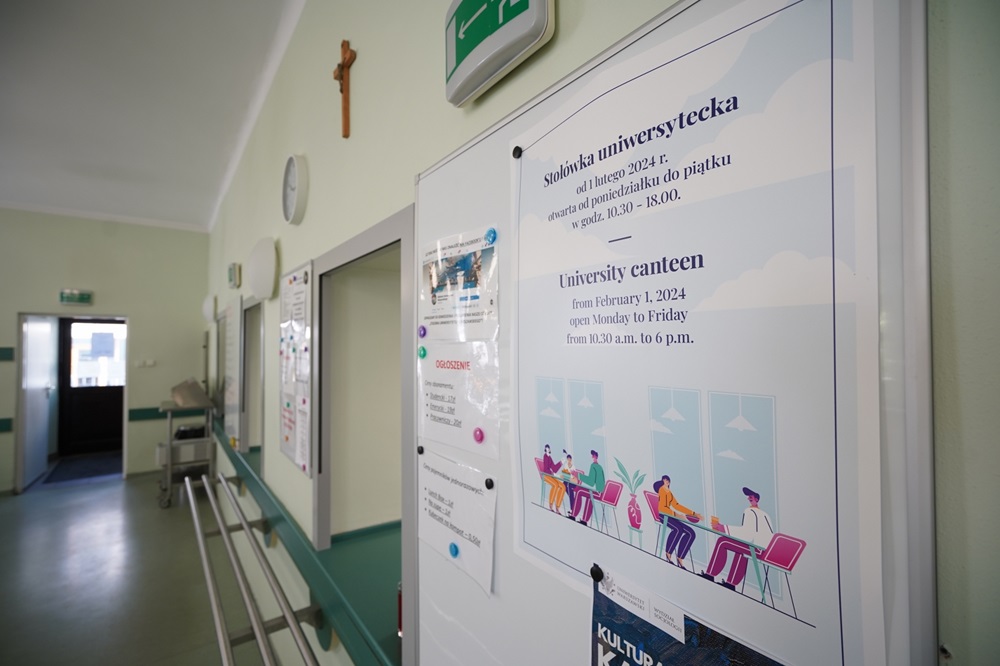
The UW has numerous catering outlets aimed primarily at students. These are located across various campuses and provide quick access to nutritious meals at affordable prices. It is worth noting that the University of Warsaw is one of only two universities in the country to have its own canteen for the academic community. It is located on the Main Campus, by the entrance gate on Oboźna Street.
From September to June, lunch at the canteen is available as part of a meal plan (a meal plan lunch for students costs PLN 17) or choose any dish from the current menu, which also features a vegan option every day. Meals are also available to take away. In 2025, the UW canteen recorded a 23% increase in the number of subscription lunches sold compared to 2024 – it served 15,842 subscription lunches. From 1 February 2024, the canteen’s opening hours were extended; during the academic year, it is open from 10.30 am to 6.00 pm.
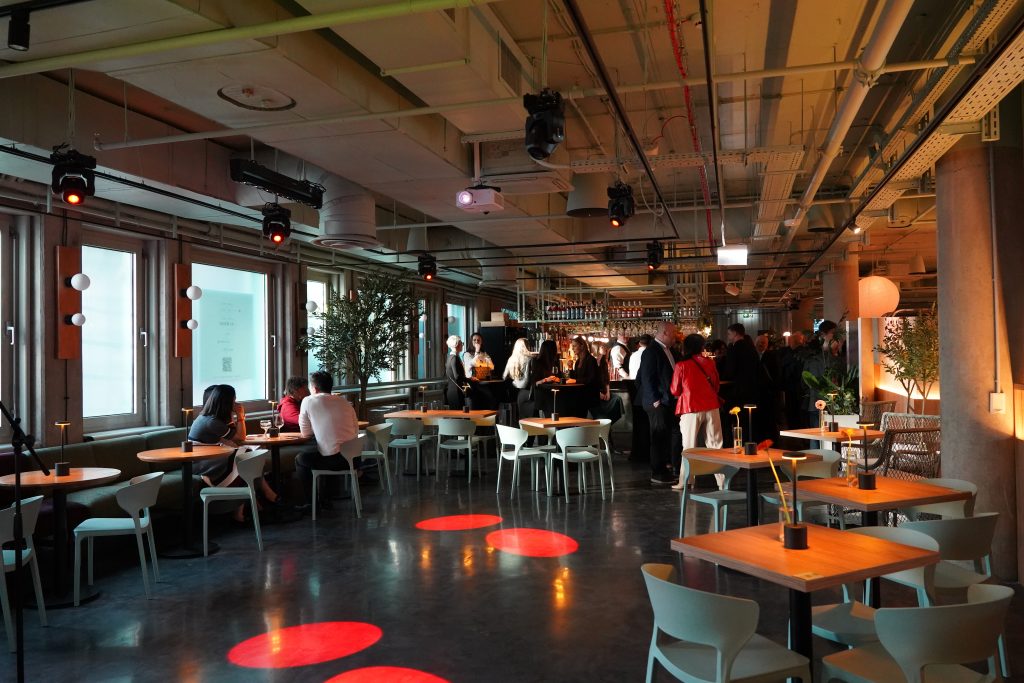
The university ensures that its catering outlets serve various functions – not just those related to serving meals. In response to student requests, spaces are being created which, in addition to catering, serve as venues for meetings and cultural events – including those showcasing student achievements. One such space is the BUWBAR in the University of Warsaw Library, which offers a student lunch for 19 zł.





Development of student accommodation
Renovations, modernisation and improvements to living conditions – these are the measures that have been implemented and are currently underway to enhance the quality of life on campus.
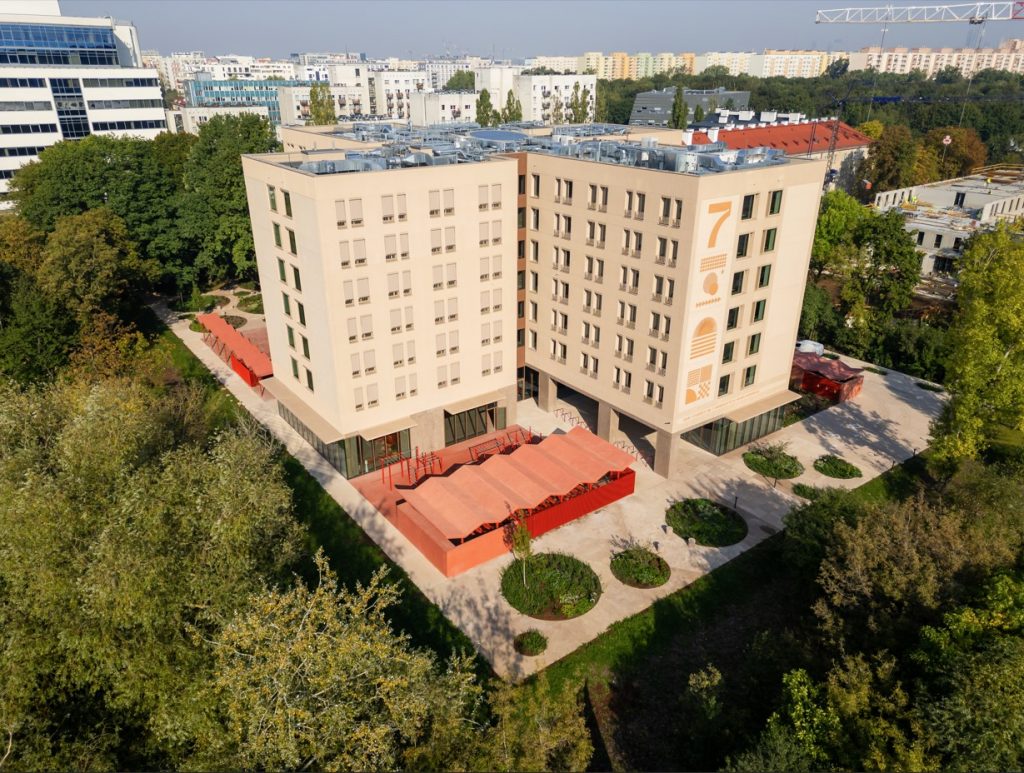
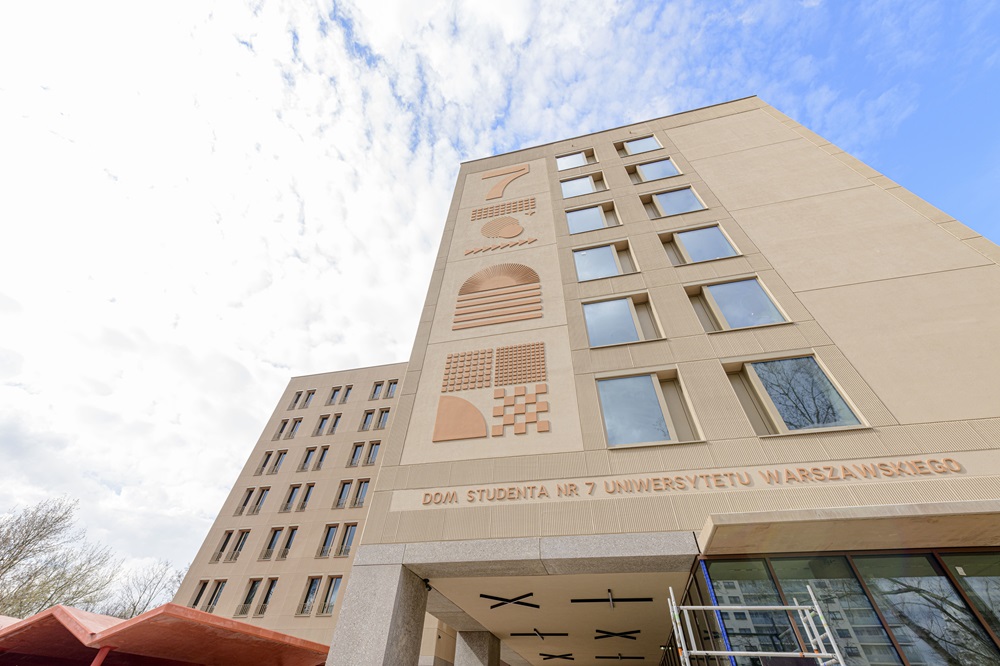
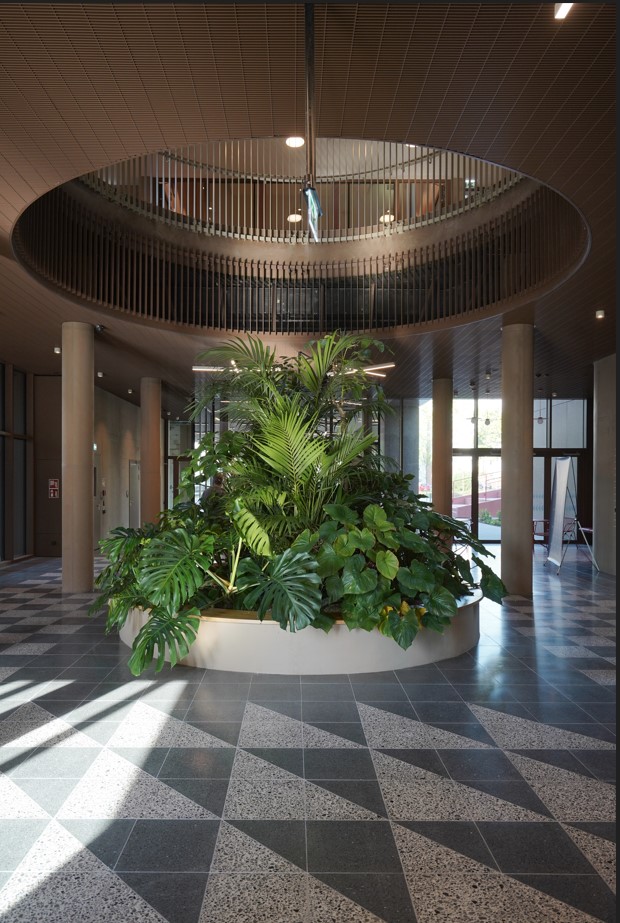
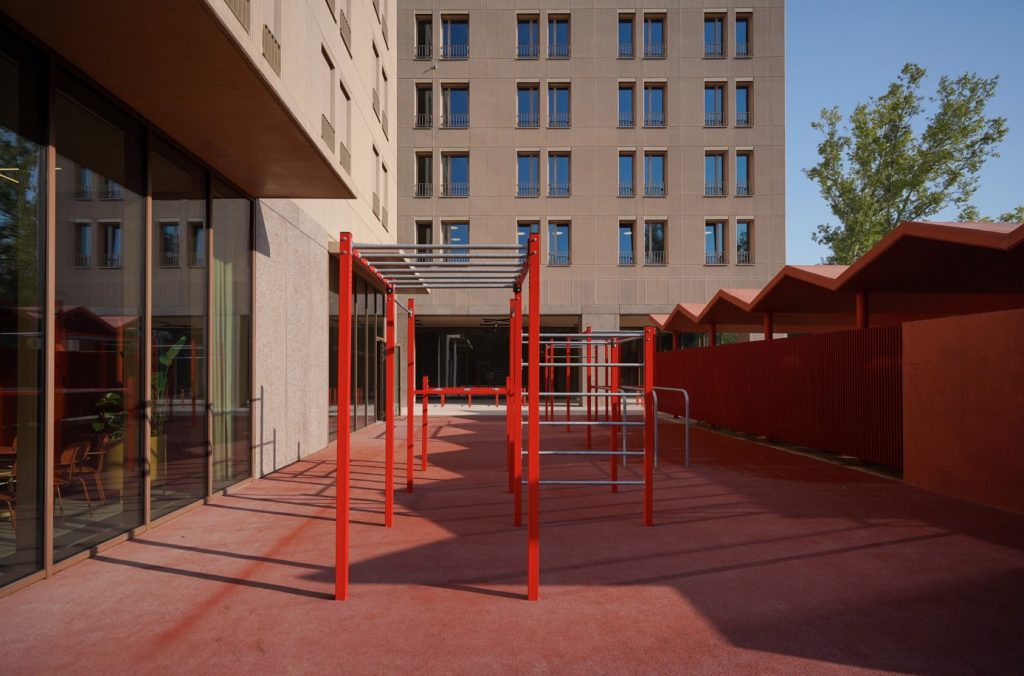
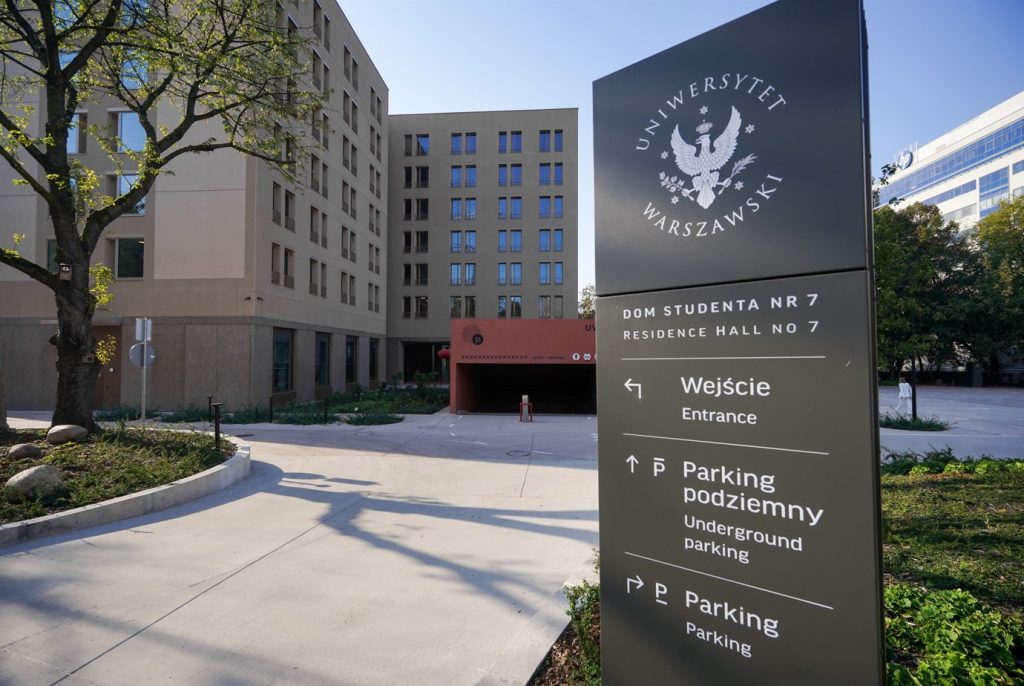
The adopted and ongoing Multiannual Programme “University of Warsaw 2016–2027” has enabled the construction of the first completely new Student Hall No. 7 “Sulimy” in decades. It was opened in September 2024. The building offers 370 places and has eight storeys – seven above ground and one underground. The total floor area of the building is almost 13,000 m², and the usable floor area is approximately 6,000 m². Construction of the hall of residence began in December 2021. The total cost of the project was PLN 94.9 million.
A major refurbishment of one of the buildings comprising Student Residence No. 3 is currently underway, whilst preparations are being made in parallel for a major refurbishment of part of Student Residence No. 5.
In view of the upcoming renovation works, the University’s priority is to provide alternative accommodation for all students and doctoral candidates who request it. For this reason, as early as the 2024/2025 academic year, the University of Warsaw entered into a partnership with the Warsaw University of Technology and the City of Warsaw. Thanks to the agreements reached, the number of available accommodation places is being maintained at a constant, unchanged level. Work is currently underway to conclude further agreements, which may further improve the accommodation situation for students.
The university authorities are taking every possible measure to keep fees for accommodation in halls of residence at a relatively low level. Despite rising maintenance costs for student accommodation, the policy of not increasing fees has been consistently maintained since the 2022/2023 academic year. It is worth noting that, as part of the fees for living in halls of residence, students do not incur additional costs for utilities (electricity, water). They also benefit from free internet access. The cost of a place in halls of residence ranges from PLN 480 to PLN 1,100 per month, depending on the type of room.
The University of Warsaw was one of the first universities in Poland to submit an application for funding for investment in student accommodation under the Bank Gospodarstwa Krajowego Subsidy Fund. The programme enables support to be obtained for the construction of new halls of residence, the modernisation of existing facilities and the purchase of buildings for student use, with funding covering up to 80% of the investment costs. Securing these funds will certainly enable the acceleration and expansion of renovation works, thereby raising the standard of halls of residence and improving the living and study conditions of students and doctoral candidates. This initiative is part of the University of Warsaw’s long-term commitment to creating a modern, accessible and welcoming space for its community.
The University also plans to build a Academic Staff Hall of Residence at Smyczkowa 4 on the Służewiec Campus. The building will house around 300 people, and the project is scheduled for completion at the turn of 2027/2028. Preparations are also underway for the redevelopment of the remaining DPNs on the Służewiec Campus. Technical and planning analyses are currently being carried out. There are also plans to renovate the “Hera” guest house at Belwederska 26–30.