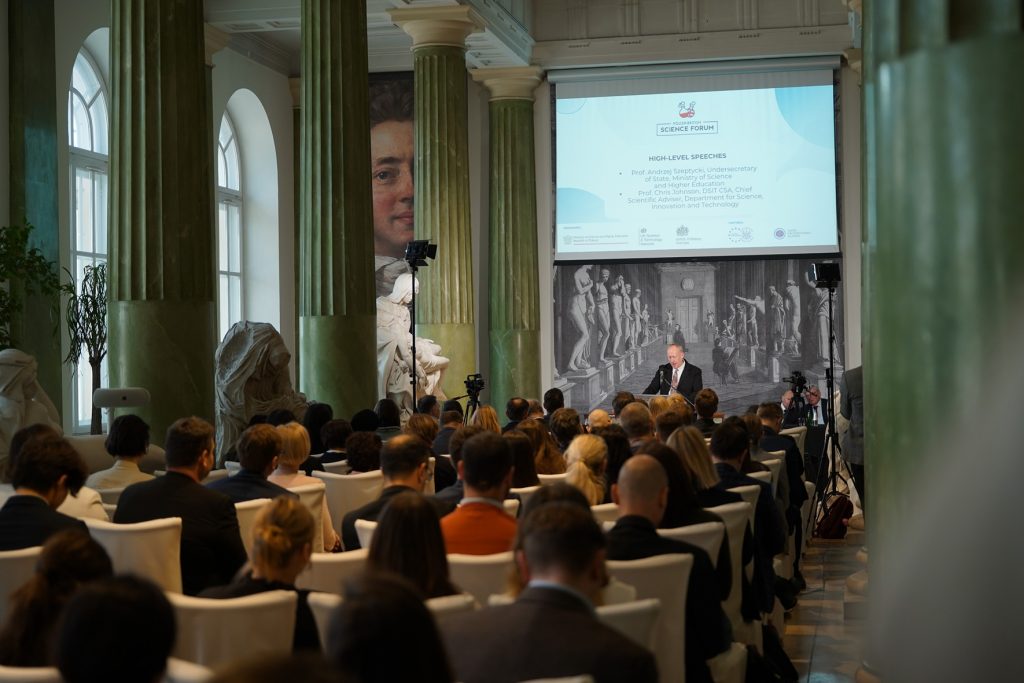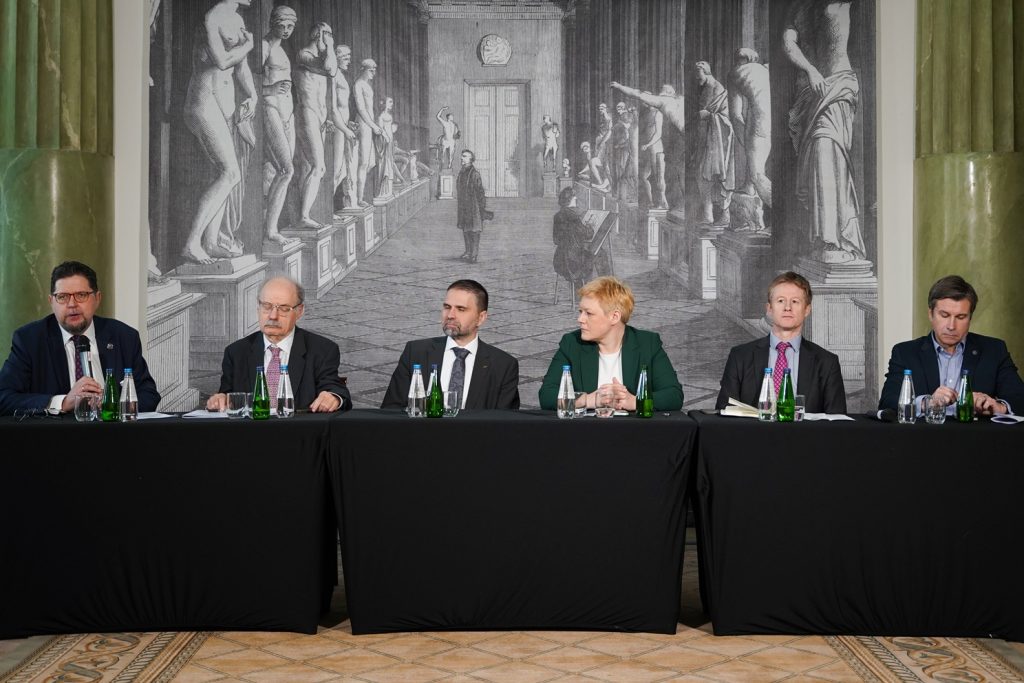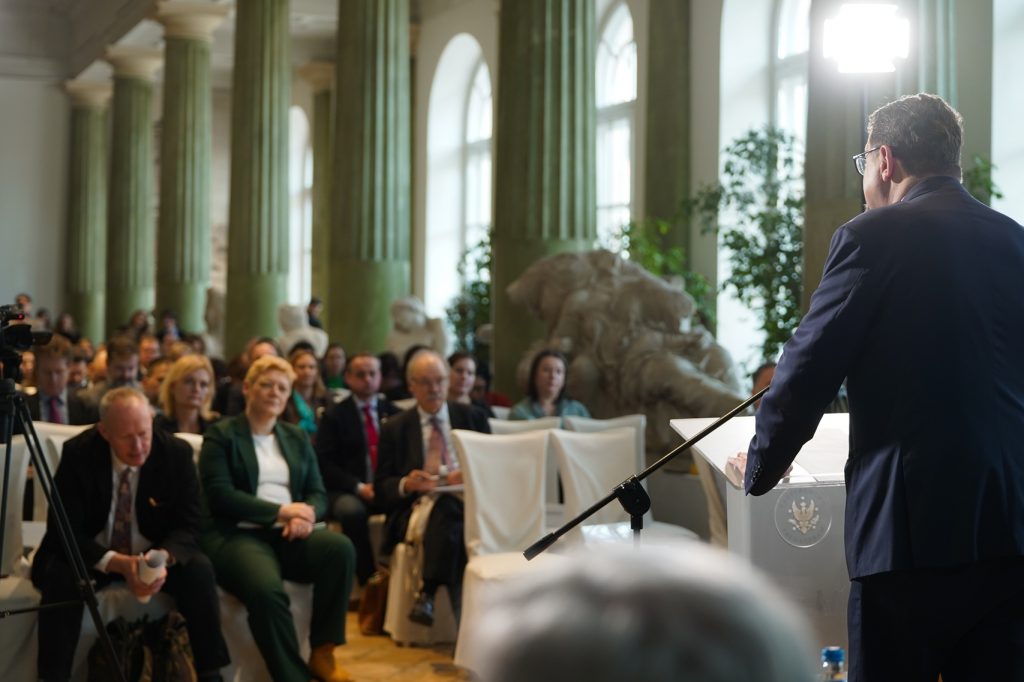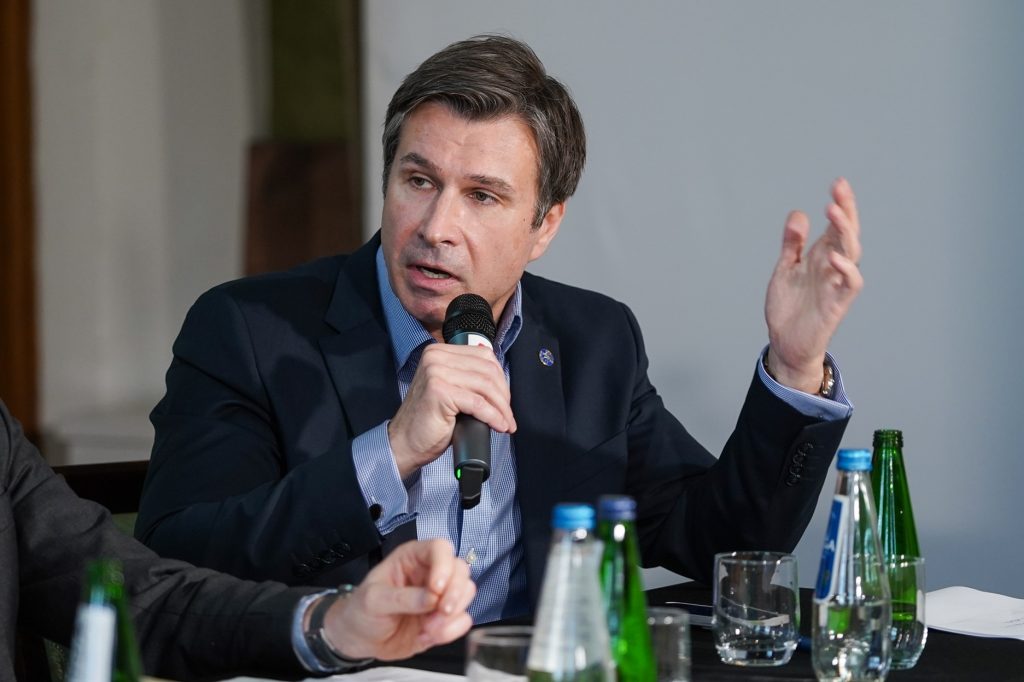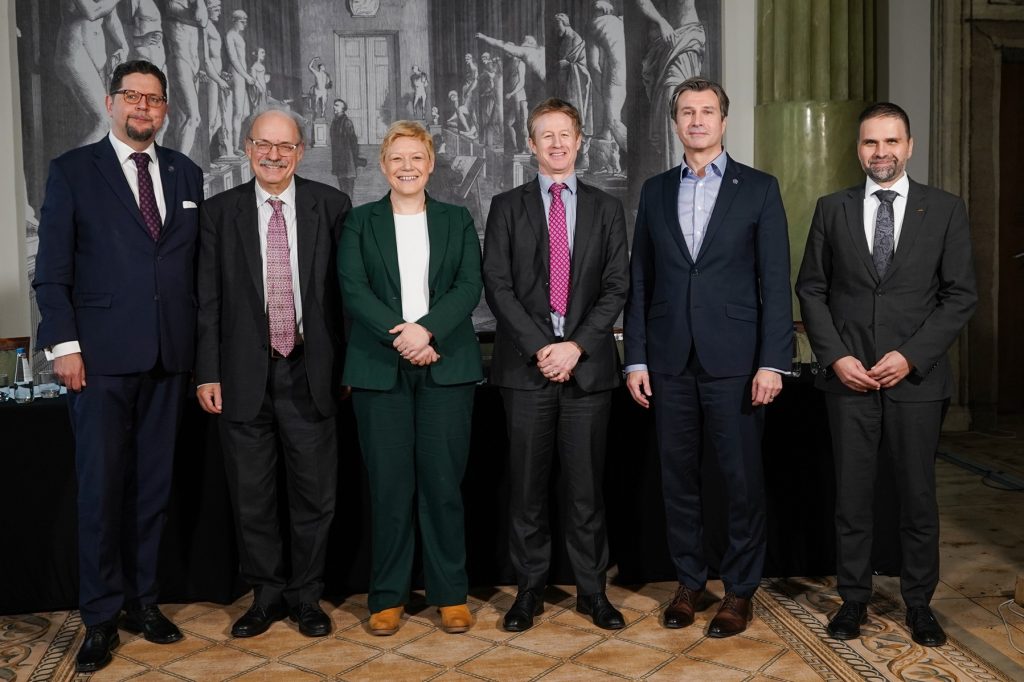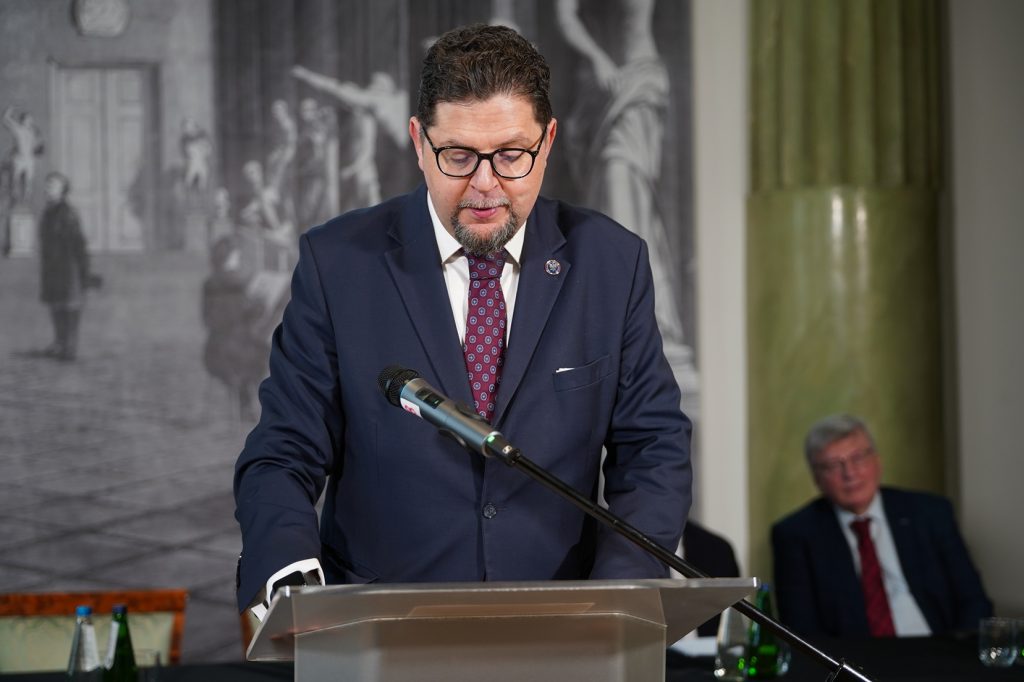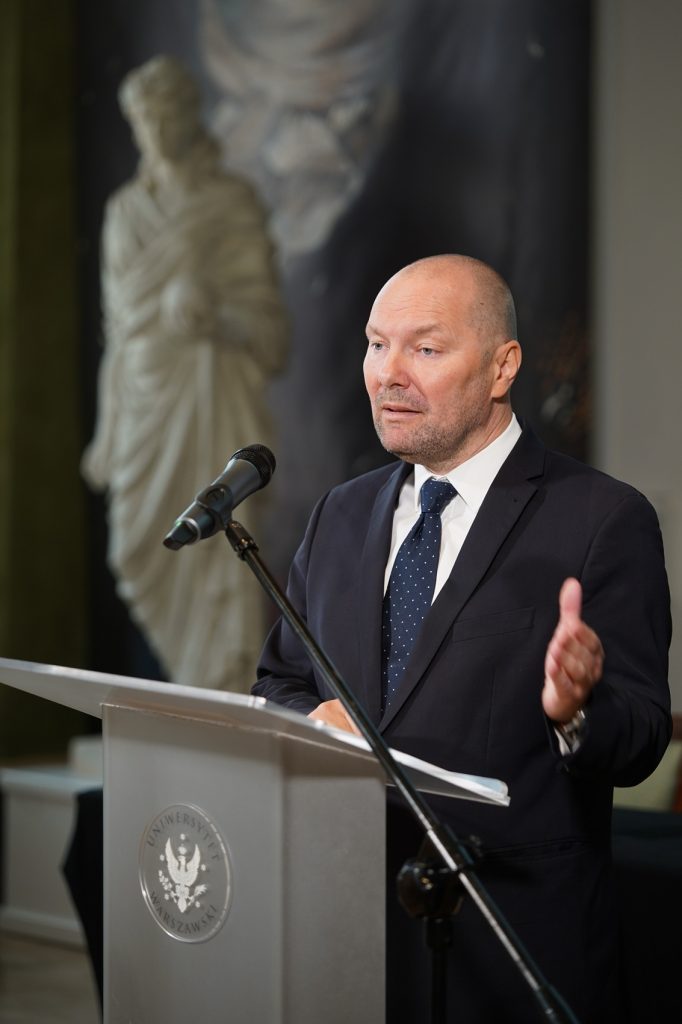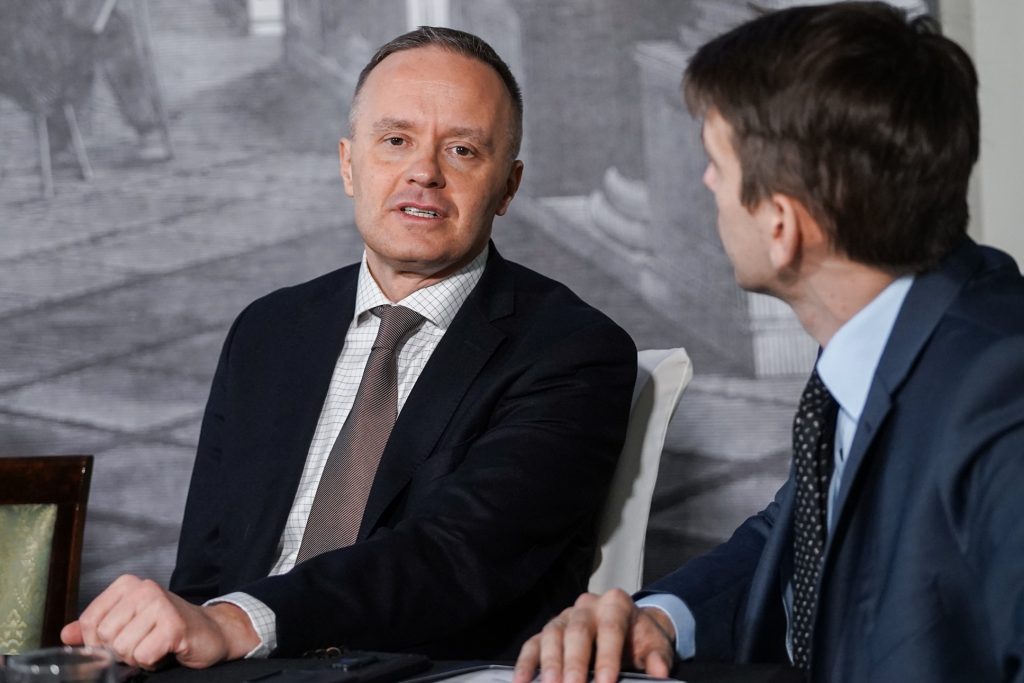

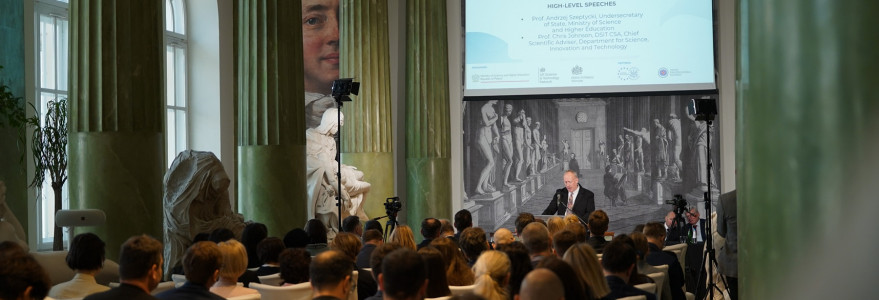
On 17th March, the 6th Polish-British Science Forum took place at the University of Warsaw’s Main Campus. The event brought together over 150 representatives from academia, public administration, research institutions and international organisations from Poland, the United Kingdom and Ukraine.
The event was organised by: the Ministry of Science and Higher Education, the UW’s Centre for Europe, the British Embassy in Warsaw, the UK Science & Technology Network and the Centre for International Relations. The Forum’s programme included three panel discussions on the impact of geopolitics and new technologies on the security of scientific research, research and development cooperation between Poland and the UK within European programmes, and support for Ukrainian science during the war and in the country’s reconstruction process.
The event, which took place in the Column Hall of the Faculty of History on the UW’s Main Campus, was attended by, amongst others: Prof. Zygmunt Lalak, UW Vice-Rector for Research; Prof. Maciej Raś, UW Vice-Rector for Student Affairs and Quality of Teaching and Learning; Robert Grey, UW Chancellor; Dr Kamil Zajączkowski, Director of the UW’s Centre for Europe, as well as Prof. Andrzej Szeptycki, Undersecretary of State at the Ministry of Science and Higher Education, and Prof. Chris Johnson, Chief Scientific Adviser at the UK Department for Science, Innovation and Technology.
“We are gathered here to discuss the future of European science,” said Prof. Zygmunt Lalak, UW Vice-Rector for Research, as he opened the event. “Scientific cooperation offers us a way to discuss difficult issues, to formulate objective statements and to promote peaceful debate. It also creates an opportunity to develop solutions to the most challenging social problems,” added Prof. Lalak.
The geopolitical situation and science
One of the key topics raised during the discussion was the security of scientific research in the face of a complex geopolitical situation and growing competition between nations.
“Science has always been based on openness and international cooperation, and this must remain its foundation. At the same time, we are entering an era in which research, particularly in areas of breakthrough technologies such as AI, quantum technologies and biotechnology, is becoming a factor in geopolitical competition and national security. This means that universities can no longer operate solely within an academic framework; they must learn to function in a more complex, strategic environment and build informed and responsible international partnerships,” said Robert Grey, the UW Chancellor.
Support for Ukrainian researchers
The participants also outlined the prospects for developing cooperation between the academic communities of the UK, Poland and Ukraine, both during the war in Ukraine and in light of the challenges of rebuilding the country once it has ended.
“The University of Warsaw strives to go beyond short-term support and build lasting partnerships with Ukrainian universities. This means not only welcoming and providing comprehensive support to students and researchers from Ukraine, but also developing joint programmes and implementing modern teaching and research methods. Our aim is to foster cooperation based on responsibility and academic values, as well as to actively support Ukraine in its reconstruction and transformation. In this way, we wish to tangibly strengthen the reconstruction and development of the Ukrainian higher education system,” said Prof. Maciej Raś, UW Vice-Rector for Student Affairs and Quality of Teaching and Learning.
The conference was preceded by meetings held on 16th March. Participants in the 6th Polish-British Science Forum met with university officials in the Golden Hall of the Casimir Palace on the University of Warsaw campus on Krakowskie Przedmieście, and also took part in meetings with researchers from the following UW units: the Biological and Chemical Research Centre, the Heavy Ion Laboratory, and the Interdisciplinary Centre for Mathematical and Computational Modelling.